Babu Jagjivan Ram: A Champion of Social Justice and Nation-Building
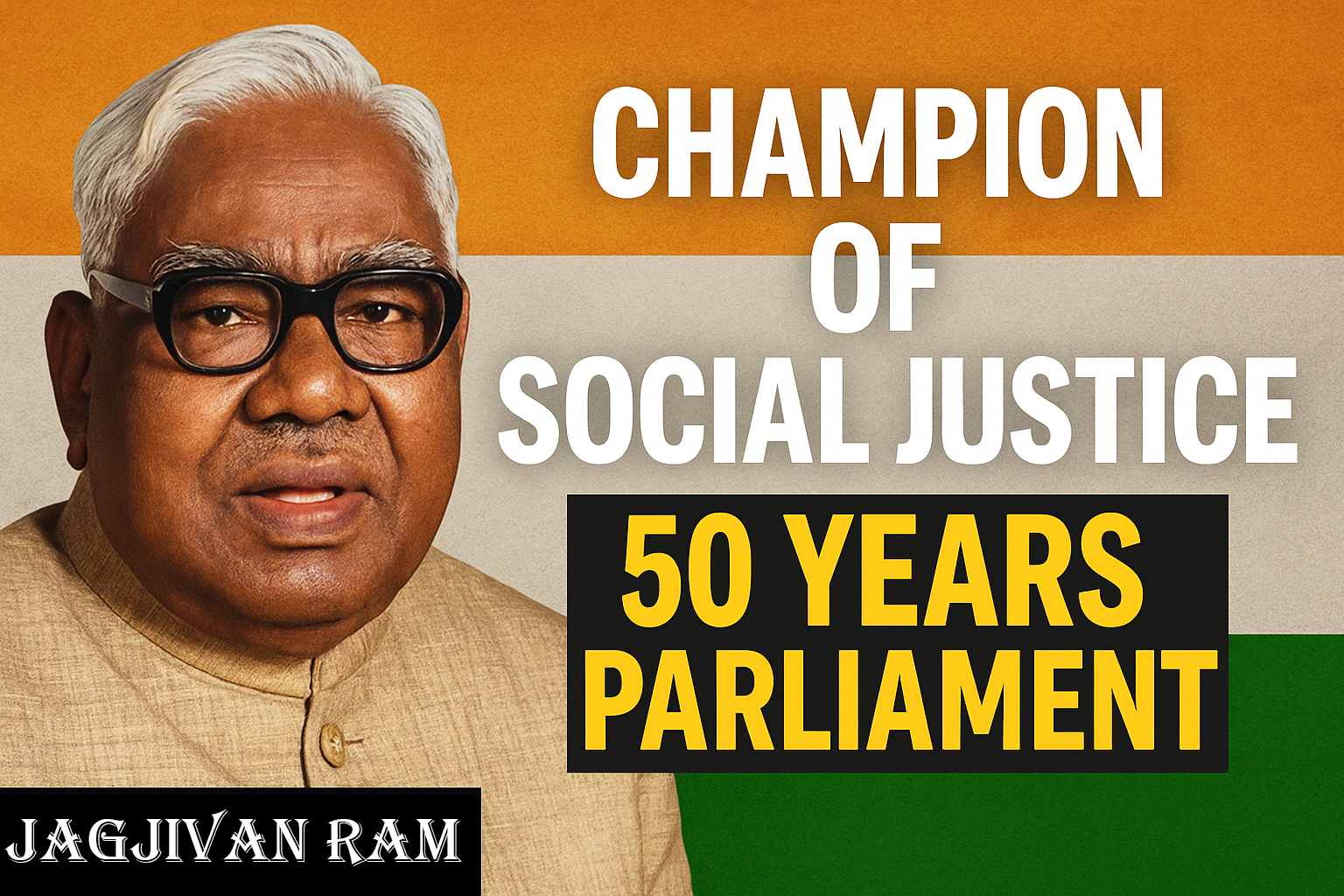
Babu Jagjivan Ram stands as one of India’s most remarkable political figures—a man who rose from the depths of caste discrimination to become the country’s longest-serving Cabinet minister and a pivotal architect of modern India. Born into a downtrodden (Dalit) family at a time when untouchability was deeply entrenched in Indian society, his life exemplified the triumph of human dignity over systemic oppression. His extraordinary journey spanned over five decades of uninterrupted parliamentary service, during which he championed social justice, spearheaded crucial military victories, and played instrumental roles in transforming India’s agriculture and labor policies. As Defense Minister during the 1971 Indo-Pak War that led to Bangladesh’s creation, as architect of India’s Green Revolution, and as a constitutional framer who ensured equality provisions, Jagjivan Ram’s legacy extends far beyond his personal achievements to encompass fundamental contributions to India’s democratic and social fabric.
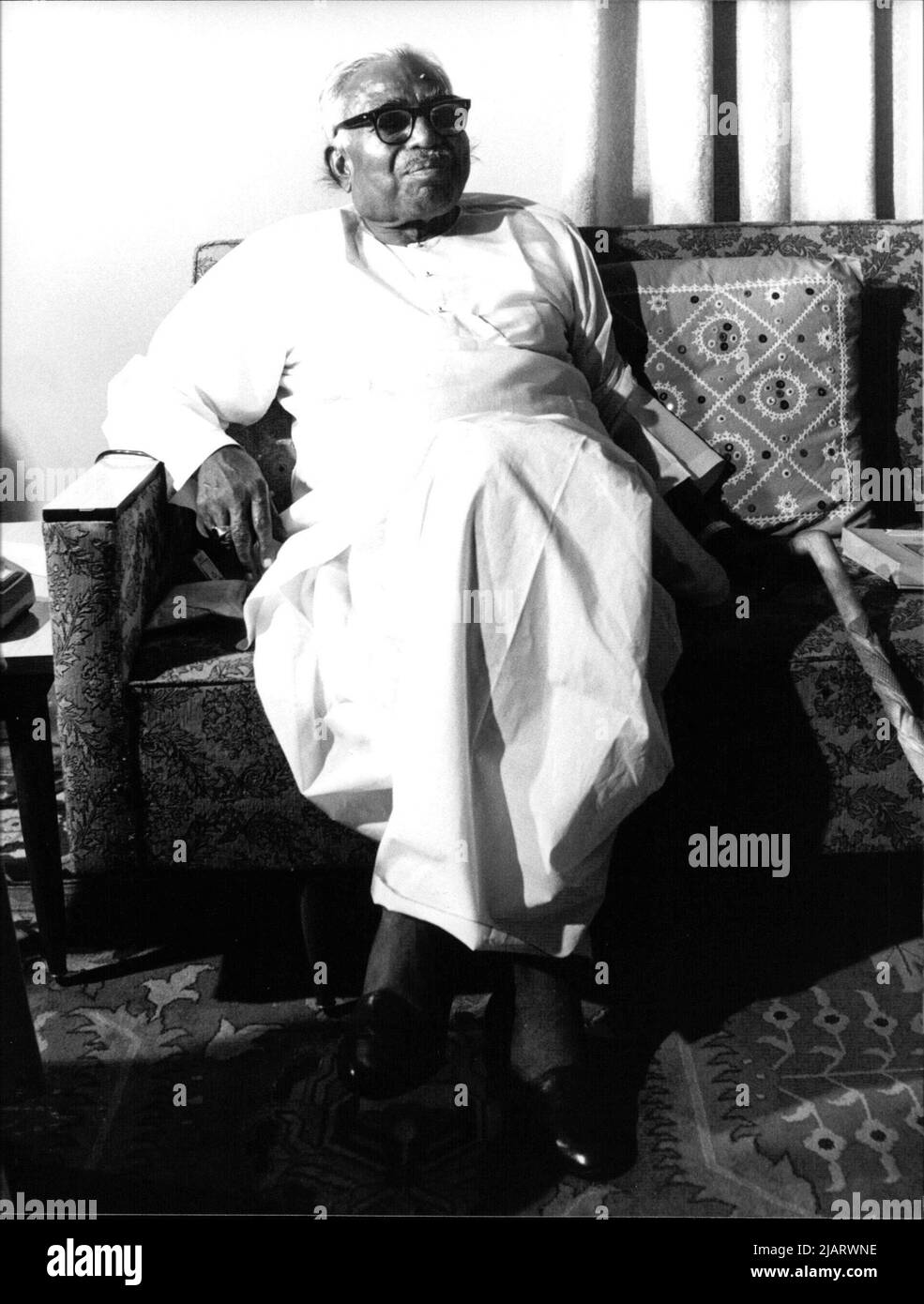
Black-and-white photograph of Jagjivan Ram seated on a sofa wearing traditional Indian attire with a cane nearby alamy
Early Life and Formative Struggles
Birth and Family Background
Jagjivan Ram was born on April 5, 1908, in Chandwa village near Arrah in what was then the Shahabad district of Bengal Presidency (now Bhojpur district of Bihar). He belonged to the Chamar community, considered among the lowest in the traditional Hindu caste hierarchy. His father, Sobhi Ram, had served in the British Indian Army and was posted at Peshawar but later resigned due to differences with the administration. After leaving military service, Sobhi Ram purchased farming land in his native village and settled there. He also became a Mahant of the Shiv Narayani sect and, being skilled in calligraphy, illustrated many religious books for local distribution. wikipedia
The family faced harsh economic conditions following the premature death of Jagjivan’s father, leaving young Jagjivan and his mother Vasanti Devi in difficult circumstances. Despite these challenges, his family valued education and made sacrifices to ensure he could attend school. He had an elder brother, Sant Lal, and three sisters, and the family’s commitment to overcoming their social and economic disadvantages would prove instrumental in shaping Jagjivan’s future trajectory. wikipedia
Educational Journey and Early Encounters with Discrimination
Jagjivan Ram’s educational journey began in January 1914 at a local school. In 1920, he joined Aggrawal Middle School in Arrah, where English was the medium of instruction for the first time in his academic career. He later moved to Arrah Town School in 1922, where he encountered caste discrimination for the first time in an institutional setting. wikipedia+1
The most defining incident of his school years occurred when he was denied access to the common water pot reserved for Hindu students. The school traditionally maintained separate water pots—one for Hindus and another for Muslims—but when Jagjivan drank from the Hindu pot, the matter was reported to the Principal due to his “untouchable” status. The Principal’s solution was to place a third pot specifically for downtrodden (Dalit) students. However, Jagjivan’s response was both defiant and symbolic: he broke this segregated pot twice in protest. Eventually, the Principal decided against maintaining the discriminatory practice, marking young Jagjivan’s first victory against institutional caste discrimination. drishtiias+1
This early act of resistance established a pattern that would define his entire life—confronting discrimination not with bitterness or violence, but through principled resistance and moral courage. His refusal to accept segregation while maintaining dignity and avoiding hatred became hallmarks of his approach to social reform throughout his career. timesofindia.indiatimes+1
Higher Education and Intellectual Development
A pivotal moment in Jagjivan Ram’s life came in 1925 when Pandit Madan Mohan Malviya, the founder of Banaras Hindu University, visited his school. Impressed by Jagjivan’s welcome address and intellectual capabilities, Malviya invited him to study at BHU. This invitation represented a significant opportunity for a Dalit student to access higher education at one of India’s premier institutions. wikipedia+1
Acting on Malviya’s invitation, Jagjivan passed his matriculation in the first division and joined BHU in 1927, where he was awarded the prestigious Birla scholarship and passed his Inter Science Examination. However, his experience at BHU was marked by systemic discrimination that reflected the broader social prejudices of the time. As a downtrodden (Dalit) student, he was denied basic services including meals in his hostel and haircuts by local barbers. A downtrodden (Dalit) barber would arrive occasionally to trim his hair, highlighting the pervasive nature of caste-based exclusion. constitutionofindia+2
Rather than accepting these humiliating conditions, Jagjivan organized the scheduled castes at BHU to protest against social discrimination. His leadership in mobilizing fellow downtrodden (Dalit) students demonstrated his early commitment to collective action and social justice. However, the persistent discrimination ultimately led him to leave BHU and continue his education at the University of Calcutta. wikipedia+1
At Calcutta University, Jagjivan completed his B.Sc. degree in 1931. The university environment in Calcutta proved more conducive to his intellectual and political development. He organized conferences to draw attention to issues of discrimination and actively participated in the anti-untouchability movement initiated by Mahatma Gandhi. His time in Calcutta also exposed him to diverse political ideas and revolutionary leaders, including interactions with figures like Chandrashekhar Azad and Manmath Nath Gupta. constitutionofindia+1
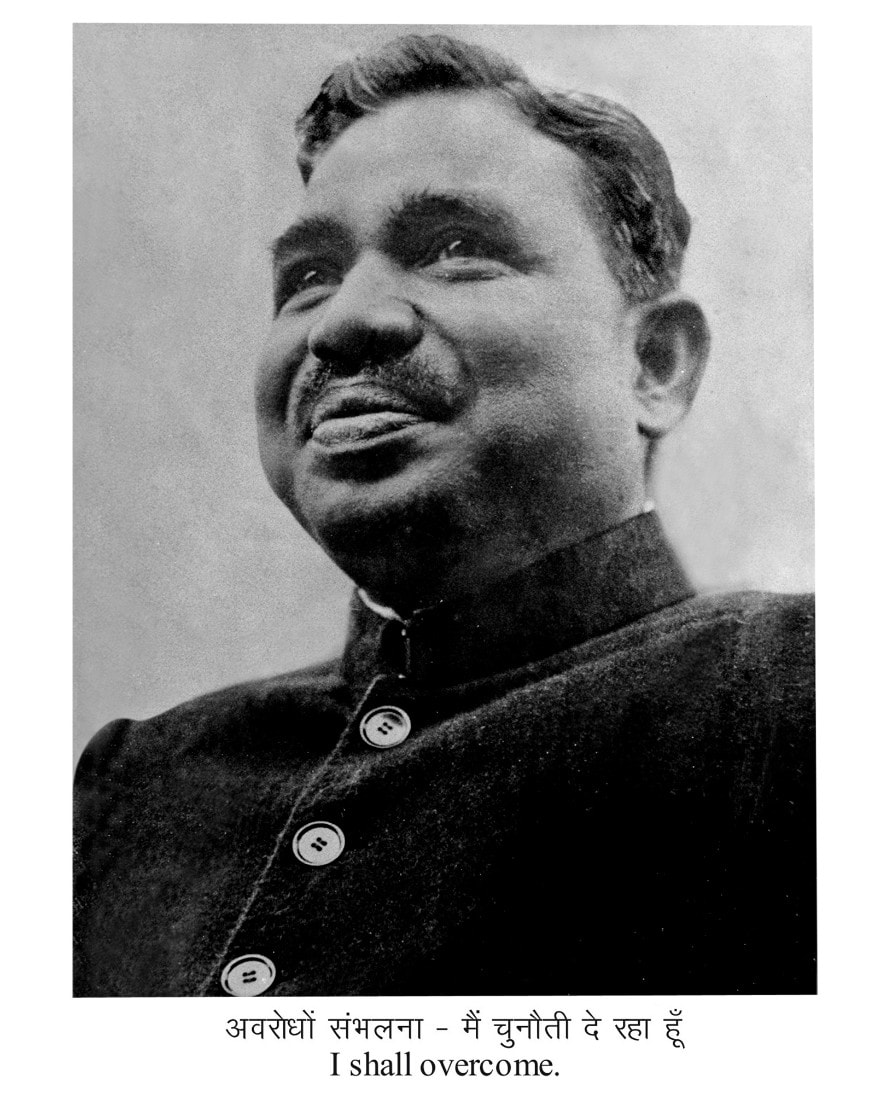
Portrait of Jagjivan Ram with an inspirational quote expressing determination to overcome obstacles news18
Entry into Politics and Social Activism
Early Political Awakening and Organizational Skills
Jagjivan Ram’s political consciousness developed during his student years in Calcutta, where he demonstrated remarkable organizational abilities that would become his trademark. In 1928, while still a student, he organized a massive Mazdoor Rally at Wellington Square in Kolkata that drew approximately 50,000 participants. This event caught the attention of Netaji Subhash Chandra Bose, marking the beginning of Jagjivan’s recognition within nationalist circles. wikipedia+3
His commitment to social service became evident during the devastating 1934 Nepal-Bihar earthquake, when he actively participated in relief work. His organizational skills and dedication during this crisis earned him widespread appreciation and established his reputation as a leader capable of mobilizing resources for public welfare. These early experiences in disaster relief and social organization would later inform his approach to governance and public administration. imphaltimes+1
Formation of the All India Depressed Classes League
In 1935, Jagjivan Ram played an instrumental role in establishing the All India Depressed Classes League, an organization specifically dedicated to attaining equality for untouchables. This organization represented a significant departure from existing approaches to downtrodden (Dalit) upliftment, as it combined the goals of social reform with active participation in the nationalist movement. The League sought to ensure that the struggle for independence included provisions for social justice and equality for the most marginalized sections of society. wikipedia+2
The formation of the League demonstrated Jagjivan Ram’s vision of integrated struggle—recognizing that political independence without social justice would be meaningless for the oppressed communities. Unlike some contemporary approaches that advocated separation from the nationalist movement, Jagjivan Ram believed that downtrodden (Dalit) should participate actively in the freedom struggle while simultaneously fighting for their own rights. granthaalayahpublication
Early Electoral Politics and Legislative Career
When popular rule was introduced under the Government of India Act 1935, Jagjivan Ram’s reputation as an articulate spokesperson for the depressed classes made him a valuable ally for various political factions. Both nationalist leaders and British loyalists sought his support due to his firsthand knowledge of social and economic conditions in Bihar. However, he chose to align with the nationalists and joined the Indian National Congress. wikipedia+1
In 1936, at the remarkably young age of 28, Jagjivan Ram was nominated to the Bihar Council. This nomination marked the beginning of what would become a world record—an uninterrupted legislative career spanning exactly 50 years from 1936 to 1986. His entry into electoral politics demonstrated both his personal capabilities and the recognition that the Congress Party needed credible downtrodden (Dalit) leadership to counter the influence of Dr. B.R. Ambedkar, who had adopted a more confrontational approach toward the Congress. theprint+2
In 1937, Jagjivan Ram was elected to the Bihar Legislative Assembly, where he was appointed as Parliamentary Secretary in the Ministry of Education and Development. However, his commitment to principled politics was demonstrated when he resigned from this position over the contentious issue of irrigation cess. This early willingness to sacrifice personal advancement for matters of principle became a recurring theme throughout his political career. imphaltimes+1
Role in India’s Independence Movement
Participation in Major Freedom Movements
Jagjivan Ram’s involvement in India’s independence struggle was characterized by active participation in all major movements while simultaneously advocating for the rights of marginalized communities. He participated in the Civil Disobedience Movement, the Salt Satyagraha, and most significantly, the Quit India Movement. His dual focus on national independence and social justice set him apart from many of his contemporaries. wikipedia+2
During the early 1940s, Jagjivan Ram was imprisoned twice for his active participation in the Satyagraha and Quit India Movements. His willingness to face imprisonment demonstrated his commitment to the cause of independence, while his consistent advocacy for downtrodden (Dalit) rights during these movements ensured that the voice of the most oppressed sections was heard within the nationalist discourse. ijirt+1
One of his significant contributions during this period was his work with the Khetihar Mazdoor Sabha, which focused on securing farmers’ rights. Through this organization, he sought to include agricultural laborers and small farmers—many of whom belonged to downtrodden (Dalit) communities—in the broader nationalist movement. This approach reflected his understanding that true independence required addressing the economic exploitation of the most vulnerable sections of society. constitutionofindia+1
Bridging National and Social Liberation
Jagjivan Ram’s unique position as both a nationalist leader and a champion of Dalit rights allowed him to bridge the gap between the broader independence movement and specific struggles for social justice. Unlike the separatist approach advocated by some downtrodden (Dalit) leaders, he believed that the fight against colonialism and the struggle against caste oppression were interconnected. granthaalayahpublication
His participation in the Indian Delimitation (Hammond) Committee hearings in 1935 was particularly significant, as he stressed the importance of securing voting rights for downtrodden (Dalit). This early advocacy for political representation demonstrated his understanding that meaningful social change required not just moral appeals but concrete political power. constitutionofindia
In 1935, he voted in favor of a resolution presented at the Hindu Mahasabha session demanding that temples and drinking water wells be opened to downtrodden (Dalit). This action was particularly significant because it showed his willingness to work within existing Hindu social structures while demanding fundamental reforms. His approach differed from those who advocated complete rejection of Hinduism as a response to caste discrimination. wikipedia+2
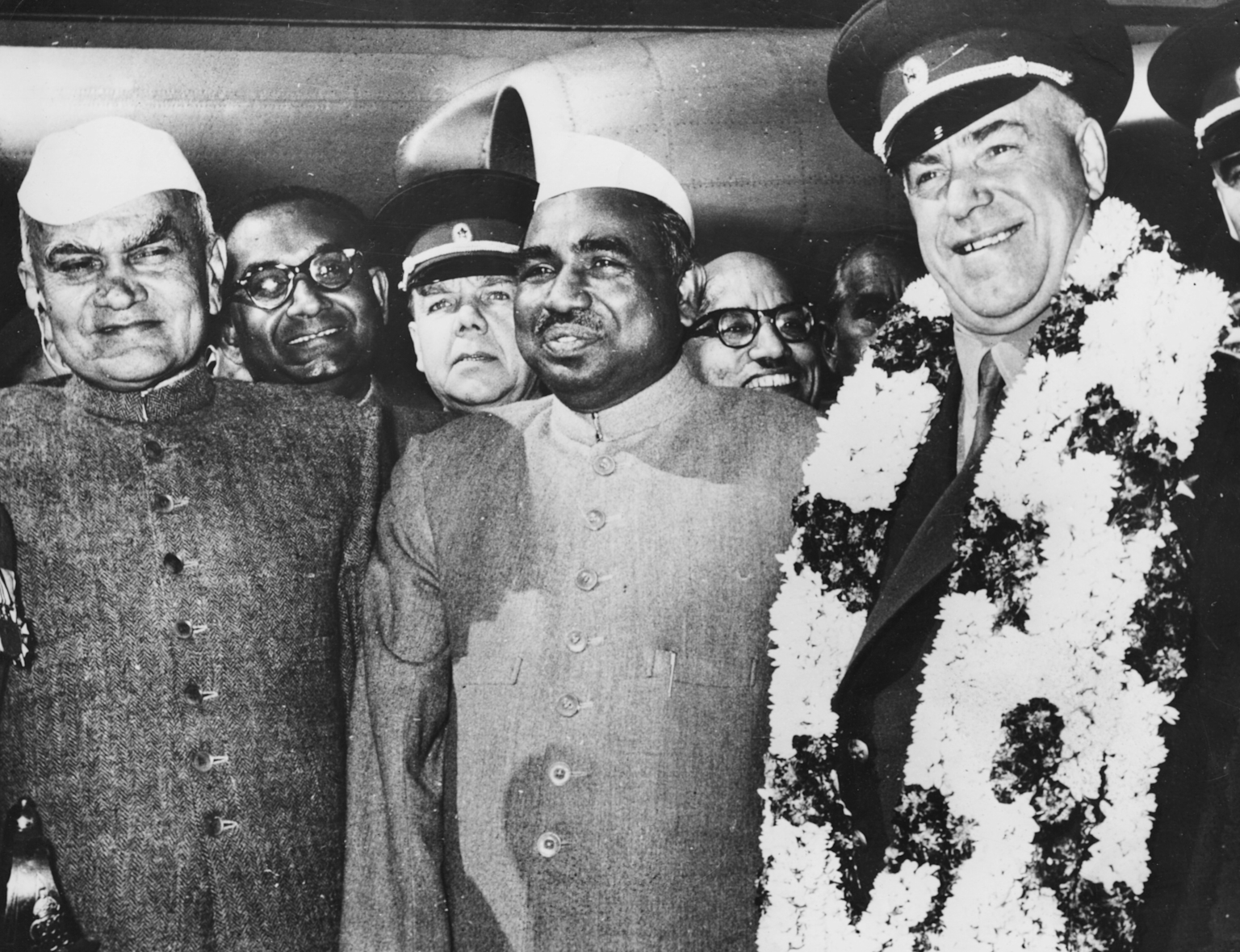
Indian political leaders, including Jagjivan Ram, during a ceremonial event in mid-20th century India dailyo
Constitutional Assembly and Framework for Social Justice
Shaping India’s Constitutional Provisions
As a member of the Constituent Assembly, Jagjivan Ram played a crucial role in ensuring that India’s Constitution included robust provisions for social justice and equality. His contributions during the constitutional debates were instrumental in incorporating safeguards for Scheduled Castes and other marginalized groups. He advocated strongly for affirmative action measures, including reservations in education, employment, and public services. wikipedia+3
Jagjivan Ram’s work in the Constituent Assembly reflected his deep understanding that formal equality enshrined in law would be meaningless without concrete measures to address historical disadvantages. He argued that the state had a positive duty to intervene on behalf of marginalized communities to level the playing field. His advocacy was instrumental in securing quotas in government jobs and educational institutions, providing downtrodden (Dalit) with opportunities for upward mobility and socio-economic advancement. ijirt+1
The constitutional provisions for reservation that Jagjivan Ram helped shape became fundamental to India’s approach to social justice. His vision extended beyond merely addressing economic disparities; he sought to build an inclusive society where every citizen felt a genuine sense of belonging. His work on constitutional safeguards laid the foundation for decades of affirmative action policies that would gradually transform the social landscape of India. ijrpr+1
Ensuring Social Justice in the Constitution
One of Jagjivan Ram’s most significant contributions to independent India was his role in ensuring that social justice was not merely an aspirational goal but was constitutionally mandated. As a member of the Constituent Assembly, he worked tirelessly to incorporate provisions that would forbid untouchability and discrimination based on caste. His efforts were crucial in making reservation policies part of the Fundamental Rights, rather than merely directive principles. wikipedia+2
His advocacy during the constitutional debates demonstrated his sophisticated understanding of how legal frameworks could be used to advance social reform. He recognized that constitutional provisions alone would not eliminate caste discrimination, but they would provide the legal foundation for sustained efforts toward equality. His contributions ensured that India’s Constitution became one of the most progressive documents of its time in terms of provisions for social justice. ijrpr
Post-Independence Political Career and Ministerial Achievements
Youngest Minister in Nehru’s Cabinet
In 1946, Jagjivan Ram achieved a historic milestone by becoming the youngest minister in Jawaharlal Nehru’s provisional government at the age of 38. This appointment as Labour Minister marked the beginning of an unprecedented ministerial career that would span over three decades. His inclusion in the provisional government was significant not just for his personal achievement, but as recognition of the need for downtrodden (Dalit) representation at the highest levels of government. wikipedia+2
As India’s first Labour Minister, Jagjivan Ram introduced several landmark policies that laid the foundation for labor welfare in independent India. He was instrumental in enacting crucial legislation including the Minimum Wages Act 1946, the Industrial Disputes Act 1947, and the Provident Fund Act 1952. These laws established fundamental protections for workers and created frameworks for industrial relations that continue to influence Indian labor policy. theprint+3
His appointment to the prestigious Indian delegation that attended the International Labour Organization’s International Labour Conference in Geneva in August 1947 demonstrated international recognition of his expertise in labor affairs. During this conference, he was elected President of the ILO, making him one of the first Indian leaders to hold a significant international position in the post-independence era. jagjivanramfoundation+1
Diverse Ministerial Portfolios and Achievements
Jagjivan Ram’s ministerial career was characterized by his ability to handle diverse portfolios effectively, earning him a reputation as one of India’s most capable administrators. After serving as Labour Minister until 1952, he held several key positions including Communications (1952-56), Transport and Railways (1956-62), Transport and Communications (1962-63), Labour, Employment, and Rehabilitation (1966-67), Food and Agriculture (1967-70), Defence (1970-74), and Agriculture and Irrigation (1974-77). wikipedia+2
As Communications Minister, he nationalized private airlines and expanded postal facilities to remote villages, significantly improving connectivity across the country. His work in civil aviation resulted in the enactment of the Air Corporation Act 1953, which strengthened the civil aviation sector and led to the creation of Air India and Indian Airlines as national carriers. Recognizing the potential of the shipping sector, he emphasized expansion of India’s maritime fleet to cover important global trade routes, resulting in substantial increases in cargo shipment and foreign exchange reserves. jagjivanramfoundation
During his tenure as Railway Minister, Jagjivan Ram oversaw the first steps toward modernizing India’s railway system while ensuring that passenger fares did not increase. His commitment to inclusivity was evident in policies that improved railway services, particularly for rural and marginalized sections of society. He ensured that the railway network became more accessible to people from all walks of life, including downtrodden (Dalit) who had previously been excluded from such public services. theprint+1
The Green Revolution and Agricultural Transformation
As Food and Agriculture Minister during two separate tenures, Jagjivan Ram’s contributions to India’s agricultural sector were transformative. His most notable achievement was his role in spearheading the Green Revolution, which fundamentally altered India’s relationship with food security. When he assumed the agriculture portfolio, India was heavily dependent on food imports and vulnerable to famine conditions. wikipedia+2
The 1967 famine presented Jagjivan Ram with one of his most significant challenges as Food and Agriculture Minister. His response demonstrated both his administrative capabilities and his commitment to ensuring that the benefits of development reached the most vulnerable sections of society. He successfully navigated the country through severe drought conditions in 1974, earning widespread acclaim for his crisis management abilities. theprint+2
Jagjivan Ram’s approach to agricultural development was characterized by his understanding that technological advancement needed to be coupled with social reform. He pushed for land reform policies that sought to redistribute land to landless laborers, many of whom belonged to downtrodden (Dalit) communities. His efforts in organizing the Public Distribution System ensured that food was made available to the masses at reasonable prices. For the first time in its history, India achieved self-sufficiency in food production under his leadership. granthaalayahpublication+2
The Green Revolution’s success under Jagjivan Ram’s leadership had implications far beyond agriculture. It demonstrated that independent India could achieve technological breakthroughs while addressing social inequities. His approach to agricultural modernization included provisions for greater access to education and training for farmers from marginalized communities, ensuring that the benefits of the revolution were broadly shared. ijirt+1
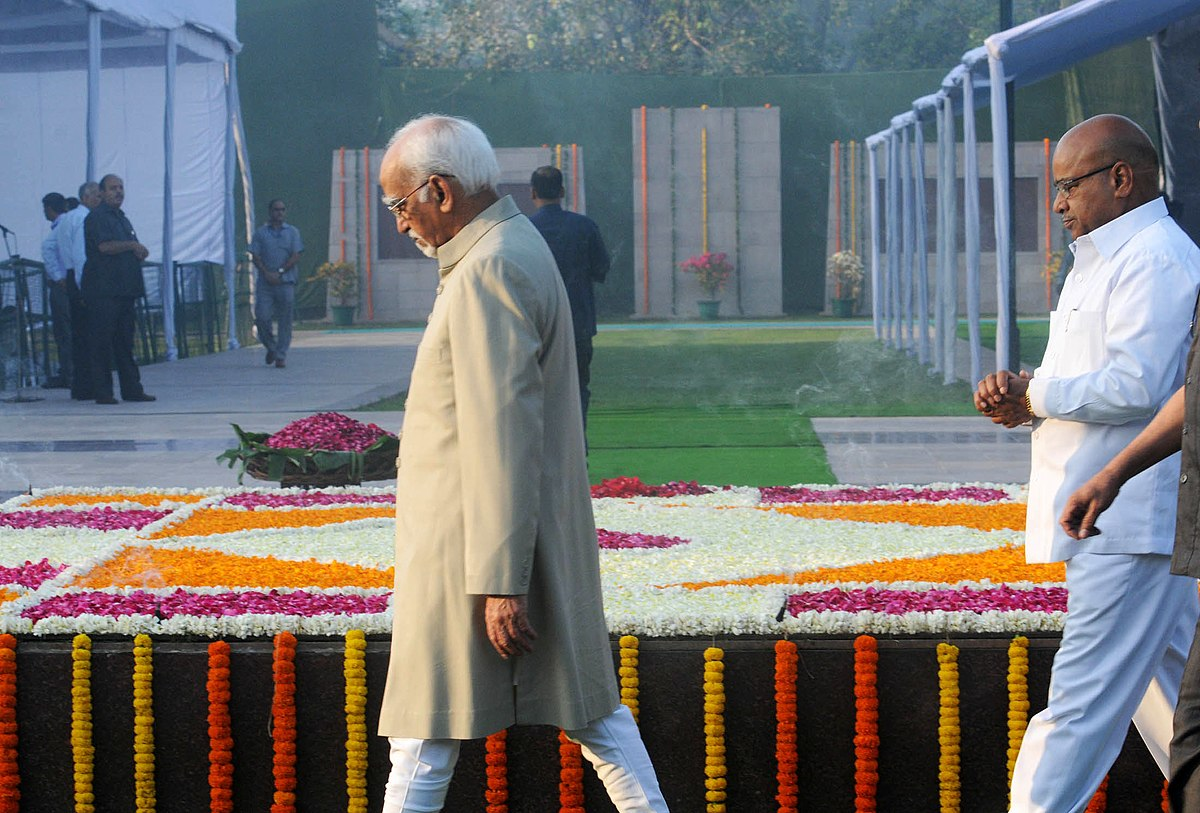
Ceremonial tribute at Samta Sthal, the memorial dedicated to Jagjivan Ram in Delhi commons.wikimedia
Defense Minister and the 1971 Bangladesh Liberation War
Leadership During India’s Greatest Military Victory
Jagjivan Ram’s tenure as Defense Minister from 1970 to 1974 was marked by one of the most decisive military victories in Indian history—the 1971 Indo-Pakistani War that led to the liberation of Bangladesh. When he assumed the Defense portfolio in June 1970, he had exactly 17 months to prepare for what would become an unprecedented military challenge. The situation required not only military preparation but also the moral and psychological preparation of Indian armed forces to fight for the liberation of another nation. wikipedia+2
His approach to military leadership was characterized by personal engagement with troops and strategic vision. He traveled extensively across the country, visiting every border post to boost the morale of soldiers. His message to the armed forces was clear and inspiring: while India did not have a tradition of aggression or hegemonic designs, if war was imposed on the country, it would not be fought on Indian soil but would be pushed into enemy territory. This strategic communication was crucial in electrifying the armed forces and preparing them psychologically for the challenges ahead. indiafoundation
Strategic Vision and Military Coordination
Jagjivan Ram was instrumental in creating the “Joint Command” of Bangladesh and Indian Forces for the final assault that led to victory. His strategic acumen was evident in how he coordinated war efforts, providing training, arms, and supplies to Bangladeshi freedom fighters while ensuring that Indian military forces were adequately prepared. This coordination required delicate balancing of military objectives with diplomatic considerations. indiatoday+1
His leadership style during the war was marked by personal attention to detail and constant communication with field commanders. General Jagjit Singh Arora later recalled that during the war, he received morning phone calls from Jagjivan Ram checking on his wellbeing and daily programs. This level of personal engagement demonstrated his hands-on approach to leadership and his commitment to ensuring that military leaders felt supported during critical operations. indiafoundation
Defense analysts and military veterans have consistently praised Jagjivan Ram’s stewardship during the 1971 war. Lieutenant General JFR Jacob, who served as Chief of General Staff in the Eastern Command, described him as “perhaps the best Defence minister we (India) have had”. Jacob noted that Jagjivan Ram had an excellent grasp of military strategy and was an able administrator who ensured that the requirements of all three services—manpower, weaponry, equipment, and infrastructural facilities—were provided to the fullest extent possible. indianexpress+1
Historic Announcement of Bangladesh’s Independence
One of the most memorable moments of Jagjivan Ram’s career came on December 16, 1971, when he made the historic parliamentary announcement of Bangladesh’s independence. His words captured the magnitude of the achievement: “I have an announcement to make. The West Pakistani forces have unconditionally surrendered in Bangladesh… Dacca (now called Dhaka) is now the free capital of a free country”. This announcement, made minutes after Pakistani troops conceded defeat, marked the successful conclusion of one of the most significant military campaigns in South Asian history. indiatoday+1
The 1971 war resulted in the unconditional surrender of nearly one lakh Pakistani soldiers—one of the largest military surrenders since World War II. The creation of Bangladesh represented a watershed moment in South Asian geopolitics and demonstrated India’s emergence as a significant regional power. Jagjivan Ram’s leadership during this period showcased his ability to balance national security concerns with his unwavering commitment to social justice and humanitarian principles. ijirt+2
International Recognition and Strategic Impact
The success of the 1971 war under Jagjivan Ram’s leadership earned international recognition and established his reputation as a capable defense strategist. Forty-one years after Bangladesh’s independence, the country formally honored him by describing him as a war hero who was “instrumental” in the 1971 liberation war against Pakistan. The citation from Bangladesh acknowledged his role in consolidating and coordinating war strategy while providing crucial support to Bangladeshi freedom fighters. indiatoday+1
The war’s outcome demonstrated Jagjivan Ram’s sophisticated understanding of the intersection between military strategy and humanitarian concerns. His grandson later recalled that despite his military role, Jagjivan Ram maintained that he never wanted war but recognized that justice needed to prevail as Pakistani troops had carried out genocides in Bangladesh and made preemptive attacks on India. This perspective reflected his deeper philosophical commitment to using power responsibly and only in service of justice. indiafoundation+2
The 1971 war also coincided with the signing of the Indo-Soviet Treaty of Peace, Friendship and Cooperation, demonstrating Jagjivan Ram’s ability to manage complex international relationships while pursuing India’s strategic objectives. His leadership during this period established India’s defense capabilities and strategic autonomy in a way that would influence Indian foreign and defense policy for decades to come. jagjivanramfoundation+1
Social Reform and Downtrodden (Dalit) Empowerment
Systematic Approach to Social Justice
Throughout his political career, Jagjivan Ram maintained his commitment to social reform and downtrodden (Dalit) empowerment while serving in various ministerial capacities. His approach to social justice was systematic and multifaceted, recognizing that meaningful change required intervention across multiple sectors including education, employment, land ownership, and political representation. Unlike approaches that focused solely on legal reforms, his strategy emphasized creating concrete opportunities for social and economic mobility. granthaalayahpublication+1
As a member of various governments, Jagjivan Ram implemented several initiatives specifically aimed at improving the lives of downtrodden (Dalit). He championed land reform policies that sought to redistribute land to landless laborers, recognizing that economic empowerment was fundamental to social transformation. His understanding of the interconnection between economic disadvantage and social oppression informed his approach to policy-making throughout his career. ijirt+1
Recognizing education as crucial for breaking cycles of poverty and oppression, Jagjivan Ram pushed for greater access to schools and colleges in underserved areas. His efforts helped bridge the gap between privileged and marginalized communities by ensuring that educational opportunities were more equitably distributed. His own experience of educational discrimination made him particularly sensitive to the barriers that downtrodden (Dalit) students faced in accessing quality education. ijirt
Legislative Contributions to Civil Rights
Jagjivan Ram was instrumental in the creation of the Protection of Civil Rights Act, 1955, which provided legal frameworks for combating untouchability and caste-based discrimination. This legislation represented one of the most comprehensive legal instruments for protecting the rights of marginalized communities in the early decades of independent India. His role in shaping this legislation demonstrated his understanding that legal protections needed to be specific and enforceable to be effective. jagjivanramfoundation
His advocacy for affirmative action policies extended beyond constitutional provisions to include practical implementation mechanisms. He worked to ensure that reservation policies were not merely symbolic but created genuine opportunities for advancement. His efforts contributed to the development of India’s complex but comprehensive system of affirmative action that continues to play a crucial role in social mobility. ijirt+1
The nickname “Messiah of Dalits” that Jagjivan Ram earned reflected widespread recognition of his unwavering support and relentless struggle for the cause of the downtrodden. This recognition came not just from the downtrodden (Dalit) community but from across Indian society, acknowledging his role in advancing social justice through practical political action. jagjivanramfoundation
Philosophical Approach to Social Reform
What distinguished Jagjivan Ram’s approach to social reform was his commitment to working within democratic and constitutional frameworks while pushing for radical social change. He never resorted to violence or hatred, even when facing severe discrimination and opposition. His philosophical approach was based on the belief that lasting social change required building broader coalitions rather than creating further divisions. timesofindia.indiatimes+1
His decision to remain within the Hindu fold while fighting against caste discrimination was particularly significant. When many downtrodden (Dalit) leaders advocated conversion to other religions as a form of protest, Jagjivan Ram chose to work for reform from within. This approach was sometimes criticized, but it ultimately proved effective in creating space for downtrodden (Dalit) within mainstream Hindu society. ndtv+1
His vision extended beyond addressing economic disparities to building an inclusive society where every citizen felt a sense of belonging. He often spoke about the importance of instilling values of equality and justice in younger generations to eradicate caste-based biases and build a progressive, unified nation. This long-term perspective on social change informed his approach to education and cultural reform throughout his career. granthaalayahpublication+1
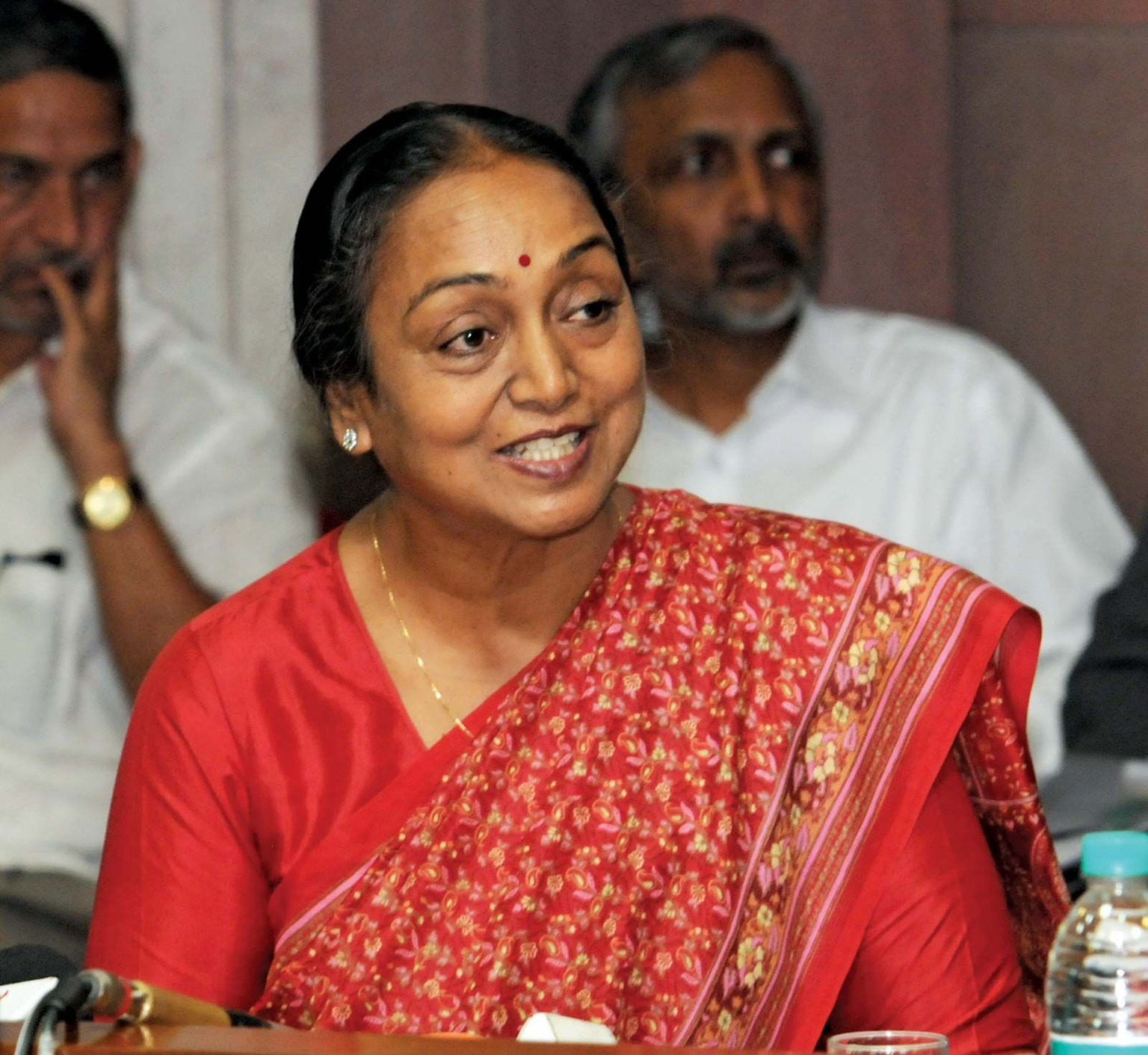
Meira Kumar, daughter of Jagjivan Ram, dressed in a red saree at a public event britannica
Family Legacy and Personal Life
Marriage and Children
Jagjivan Ram’s personal life was marked by both tragedy and achievement, reflecting the complex journey of his public career. His first wife passed away in 1933, during the early years of his political involvement. He later married Indrani Devi, who was herself a freedom fighter and social worker. Indrani Devi played a significant role in supporting Jagjivan Ram’s political career while pursuing her own activism for social causes. britannica+2
The couple had two children: Suresh Kumar and Meira Kumar. Both children would go on to make significant contributions to Indian society, with Meira Kumar achieving particular prominence in Indian politics. The family’s commitment to public service and social justice was evident across generations, demonstrating the lasting impact of Jagjivan Ram’s values and principles. toppersnotes+2
Indrani Devi’s own commitment to social reform was evident in her response to caste discrimination. When Jagjivan Ram was allowed entry into the Jagannath Puri temple due to his political prominence, but his wife was denied entry, both chose to boycott the temple. Indrani Devi wrote in her diary: “This incident dried up the wish to have darshan of the Lord in my heart. How can he be a Jagannath, Lord of the world, if he discriminates between his devotees?” This incident exemplified the family’s united stand against discrimination, even when they could have benefited from selective inclusion. timesofindia.indiatimes
Meira Kumar’s Political Legacy
Jagjivan Ram’s daughter Meira Kumar became one of India’s most distinguished political leaders, serving as the first woman Speaker of the Lok Sabha from 2009 to 2014. Born on March 31, 1945, in Bhojpur district, Bihar, Meira Kumar followed in her father’s footsteps by dedicating her life to public service and social justice. Her educational journey took her through prestigious institutions including Welham Girls’ School, Dehradun, and Maharani Gayatri Devi Girls’ Public School in Jaipur. britannica+2
Before entering politics, Meira Kumar served in the Indian Foreign Service from 1973, working at embassies in Spain, the United Kingdom, and Mauritius. Her decision to leave the diplomatic service in 1985 to enter politics was encouraged by both her father and Prime Minister Rajiv Gandhi. Her first electoral victory came from Bijnor in Uttar Pradesh, where she defeated two prominent downtrodden (Dalit) leaders including Mayawati. wikipedia+2youtube
Meira Kumar’s political career has been distinguished by her commitment to the same principles that guided her father. She served as Minister of Social Justice and Empowerment from 2004 to 2009 and briefly as Minister of Water Resources in 2009. Her election as Speaker of the Lok Sabha was historic, making her both the First Woman and the First Downtrodden (Dalit) to hold this prestigious position. In 2017, she became the joint presidential candidate of opposition parties, though she lost to Ram Nath Kovind. familyrootapp+1
Extended Family and Continuing Legacy
Meira Kumar married Manjul Kumar, a Supreme Court advocate, in November 1968. Manjul Kumar’s family also had a distinguished political background, with his mother Sumitra Devi being the first woman to serve as a Bihar state cabinet minister and later as a union minister. This marriage united two families with strong commitments to public service and social reform. familyrootapp
The couple has three children who represent the third generation of the family’s commitment to diverse forms of social contribution. Their son Anshul Kumar works as a journalist and received honors on behalf of his grandfather from Bangladesh for his contributions to their liberation war. Their daughters Swati Kumar and Devangana Kumar have pursued careers in different fields, with Devangana being an accomplished artist and painter educated at Monash University, Australia. indiatoday+1
The family’s continuing influence demonstrates how the values and principles that Jagjivan Ram championed have been transmitted across generations. From journalism to art to public service, his descendants continue to contribute to Indian society in various capacities, ensuring that his legacy of service and commitment to social justice remains active and relevant. familyrootapp
Later Political Career and the Emergency Period
Split from Congress and Janata Party Leadership
Jagjivan Ram’s relationship with the Indian National Congress, which had defined his political career for over four decades, came under severe strain during the Emergency period of 1975-1977. Despite his long loyalty to the party and personal relationship with Indira Gandhi, he found himself increasingly uncomfortable with the authoritarian measures adopted during the Emergency. His decision to oppose the Emergency represented one of the most difficult choices of his political career, as it meant breaking with the party that had been his political home since 1931. wikipedia+2
In 1977, Jagjivan Ram made the momentous decision to leave the Congress Party, along with five other senior politicians. This decision was not taken lightly, as it meant abandoning the party where he had spent over forty-five years and had risen to become one of its most senior leaders. His departure was significant not just personally but politically, as it deprived the Congress of one of its most respected leaders and most effective spokespersons for marginalized communities. theprint+1
On February 5, 1977, Jagjivan Ram formed the Congress for Democracy (CFD), which later merged with the broader Janata Party alliance. His decision to join the opposition coalition demonstrated his commitment to democratic principles over party loyalty. The formation of CFD and its merger with the Janata Party provided crucial support for the anti-Emergency coalition that would eventually defeat Indira Gandhi’s Congress in the 1977 general elections. wikipedia+1
Deputy Prime Minister and Janata Government
When the Janata Party formed the government in 1977 under Morarji Desai’s leadership, Jagjivan Ram was appointed as Deputy Prime Minister and Defense Minister. This appointment made him the first downtrodden (Dalit) leader to hold the position of Deputy Prime Minister, representing a historic milestone in Indian politics. His inclusion in the top leadership of the Janata government demonstrated the respect he commanded across party lines and his reputation as a capable administrator. wikipedia+2
As Deputy Prime Minister, Jagjivan Ram held the Defense portfolio from January 24, 1979, to July 28, 1979. Despite the relatively short duration of this tenure, his presence in the government’s top leadership was symbolically important for marginalized communities across India. It demonstrated that merit and dedication could enable leaders from the most disadvantaged backgrounds to reach the highest levels of political power. jagjivanramfoundation
However, Jagjivan Ram’s experience during the Janata Party period also highlighted the challenges faced by downtrodden (Dalit) leaders in Indian politics. Despite his seniority and experience, there were reports that he was disappointed at not being chosen as Prime Minister when Morarji Desai stepped down. According to some accounts, he once remarked with characteristic frankness: “Iss kambakht mulk mein chamar kabhie prime minister nahin ho sakta hai” (A cobbler can never become a Prime Minister in this wretched country). This statement, whether accurately reported or not, reflected the frustrations that even the most successful downtrodden (Dalit) leaders faced in a society where caste prejudices remained strong.theprint
Formation of Congress (Jagjivan) and Final Years
After the collapse of the Janata government, Jagjivan Ram founded his own political party, Congress (Jagjivan), in August 1981. This decision reflected his continued commitment to political activity even as he entered the final phase of his career. The formation of his own party demonstrated his belief that there was still a need for political organizations specifically focused on the interests of marginalized communities. wikipedia+1
The 1980 elections marked the first time in his long political career that Jagjivan Ram found himself in opposition. Despite this change in his political position, he remained active in parliamentary debates and continued to advocate for the causes he had championed throughout his career. His presence in opposition provided a crucial voice for social justice issues during a period when such advocacy was particularly needed. theprint
Throughout these final years of his political career, Jagjivan Ram continued to represent the Sasaram constituency in Bihar, maintaining his connection with the area that had been his political base for decades. His consistent electoral success from this constituency—winning eight consecutive times—demonstrated the deep trust that his constituents placed in his leadership. This electoral record remains unprecedented in Indian politics and reflects both his personal popularity and his effectiveness as a representative. legacyias+1
Death and Memorial
Final Days and Passing
Jagjivan Ram continued his active political life until his final days, serving as a sitting member of the Lok Sabha for the eighth consecutive term when he passed away. His death on July 6, 1986, in New Delhi marked the end of an era in Indian politics. At the time of his death, he held the unique distinction of being the last surviving minister from India’s interim government and the last surviving original member of the first cabinet of independent India. wikipedia+4
His passing was mourned across the political spectrum, with leaders from all parties acknowledging his contributions to Indian democracy and social justice. The fact that he remained politically active until his death at the age of 78 demonstrated his lifelong commitment to public service. His death marked not just the loss of an individual leader but the end of a direct link to India’s independence movement and the founding generation of Indian democracy. legacyias+4
The circumstances of his death reflected the dedication that characterized his entire life. Rather than retiring from active politics, he continued to serve his constituents and participate in parliamentary proceedings until his health no longer permitted. This commitment to duty until the very end became part of the legacy that his family and followers would continue to honor. pib+1
Creation of Samta Sthal
Following Jagjivan Ram’s death, the place of his cremation in Delhi was transformed into a memorial called “Samta Sthal” (Equality Place). This memorial became an important site for commemorating his life and principles, with the name itself reflecting his lifelong commitment to equality and social justice. The choice of “Samta” (equality) as the name for his memorial was particularly appropriate, given that his entire political career had been dedicated to achieving equality for marginalized communities. toppersnotes+2
Samta Sthal, located at Delhi Gate, New Delhi, serves as both a physical memorial and a symbolic reminder of Jagjivan Ram’s contributions to Indian society. The memorial regularly hosts events commemorating his birth and death anniversaries, bringing together political leaders, social activists, and members of the communities he served. These gatherings serve to keep alive the memory of his contributions and to inspire continued work toward the goals he championed. pib
The establishment of Samta Sthal also reflects the recognition that Jagjivan Ram’s contributions transcended party politics and personal achievement. The memorial serves as a reminder of the ongoing need for leaders who combine political skill with moral commitment to social justice. For many visitors, Samta Sthal represents not just a place to honor the past but a source of inspiration for continuing work toward a more equitable society. radhikaranjan.blogspot+1
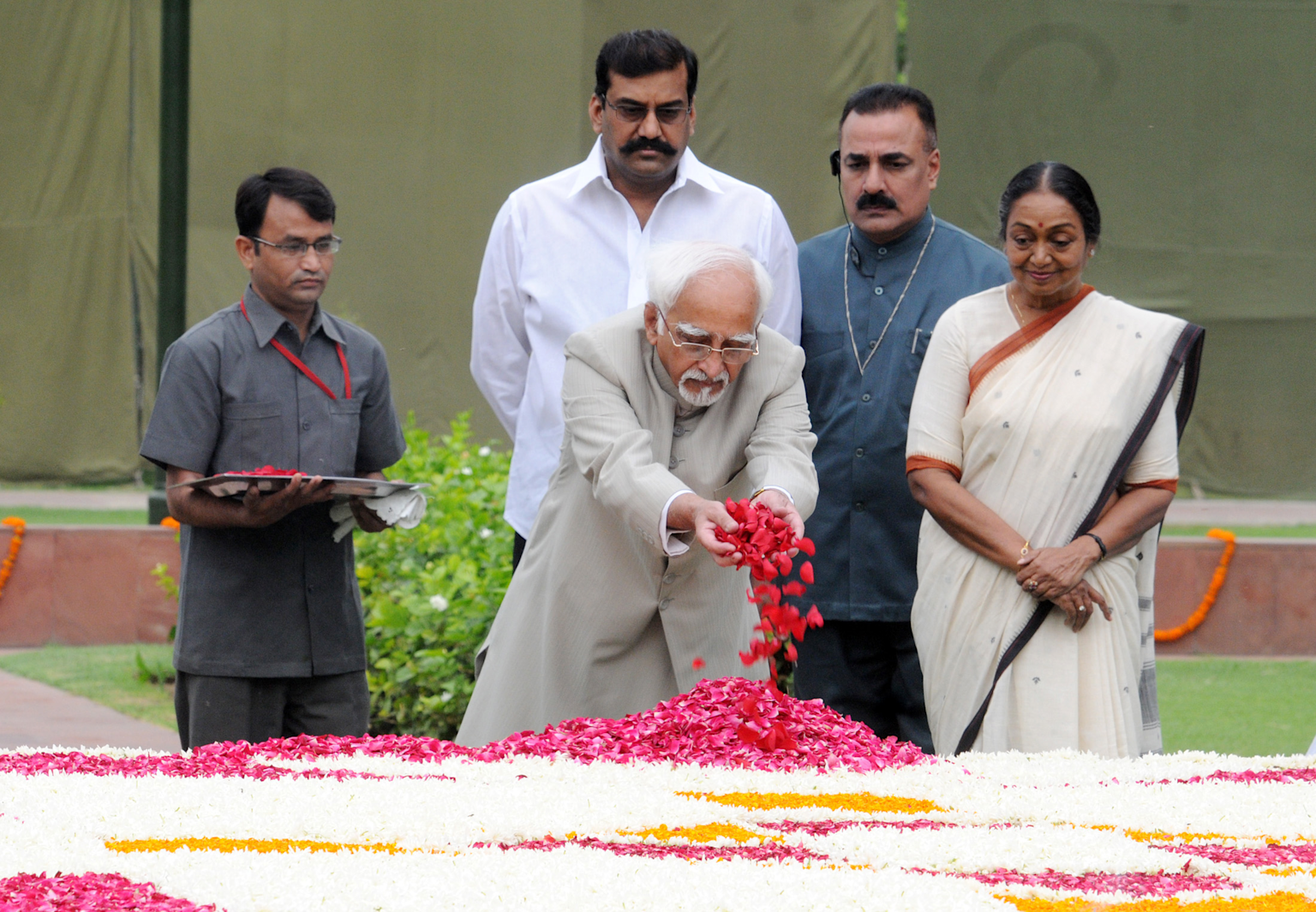
A dignitary paying floral tributes at Samta Sthal memorial dedicated to Jagjivan Ram in Delhi commons.wikimedia
Annual Commemorations and Samata Diwas
Jagjivan Ram’s birth anniversary, April 5, is observed as “Samata Diwas” (Equality Day) throughout India. This designation reflects the national recognition of his contributions to promoting equality and social justice. The observance of Samata Diwas serves multiple purposes: honoring Jagjivan Ram’s memory, promoting awareness against untouchability and caste discrimination, and inspiring continued efforts toward social equality. toppersnotes+1
The states of Andhra Pradesh and Telangana observe Samata Diwas as a regional holiday, demonstrating the particular respect that these states have for Jagjivan Ram’s legacy. This regional recognition reflects his national impact and the way his influence extended beyond his home state of Bihar to inspire people across India. The holiday serves as an annual reminder of the ongoing struggle for equality and the need for continued vigilance against discrimination. ambedkartimes+1
The celebration of Samata Diwas involves various activities including seminars, discussions, and community programs focused on promoting equality and social justice. Educational institutions often organize special programs to educate young people about Jagjivan Ram’s life and principles. These commemorative activities serve to ensure that his legacy remains relevant to new generations and continues to inspire social reform efforts. +1
Recognition and Honors
Institutional Memorials and Foundations
The Indian government established the Babu Jagjivan Ram National Foundation under the Ministry of Social Justice and Empowerment to propagate his ideologies and continue his work for social justice. This foundation, headquartered in Delhi, serves as a focal point for activities related to social justice, equality, and empowerment of marginalized communities. The foundation’s work includes research, education, and advocacy activities that build upon the principles that guided Jagjivan Ram’s career. wikipedia+2
Several educational institutions have honored Jagjivan Ram’s memory through various means. In 2007, Banaras Hindu University, where he had faced discrimination as a student, established the Babu Jagjivan Ram Chair in its faculty of social sciences to study caste discrimination and economic backwardness. This institutional recognition from BHU was particularly significant given his earlier experiences there and demonstrated how institutions had evolved in their approach to addressing historical injustices. radhikaranjan.blogspot+1
The training academy for Railway Protection Force officers was named after Jagjivan Ram, reflecting recognition of his contributions to railway development during his tenure as Railway Minister. Additionally, the first indigenously built electric locomotive, a WAM-1 model, was named after him and was later restored by the Eastern Railway. These naming honors reflect the practical impact of his ministerial work and serve as permanent reminders of his contributions to India’s infrastructure development. radhikaranjan.blogspot
Academic and Cultural Recognition
Andhra University, which had conferred an honorary doctorate on Jagjivan Ram in 1973, unveiled his statue on the university premises in 2009 on the occasion of his 101st birth anniversary. This posthumous honor demonstrated the lasting impact of his work and the continued relevance of his contributions to education and social reform. The statue serves as an inspiration to students and a reminder of the possibility of overcoming social barriers through education and determination. wikipedia+1
Various educational institutions across India have been named in his honor, including the Babu Jagjeevan Ram English Medium Secondary School established in Pune in 2015. This school, which serves students from marginalized communities, embodies the principles that Jagjivan Ram championed throughout his life. The school’s mission to provide quality education to children from lower castes directly reflects his belief in education as a tool for social transformation. wikipedia
A hospital named Jagjivan Ram Hospital in the Mumbai Central area of Mumbai serves as another form of institutional recognition. These various institutions named in his honor serve practical purposes while also keeping alive the memory of his contributions. They demonstrate how his legacy continues to impact people’s lives through education, healthcare, and other essential services. wikipedia
Demands for Bharat Ratna
Despite his extraordinary contributions to Indian independence, democracy, and social justice, Jagjivan Ram has not been awarded the Bharat Ratna, India’s highest civilian honor. This omission has been the subject of ongoing debate and advocacy, with various political leaders and social organizations demanding that he be posthumously awarded this recognition. The calls for Bharat Ratna recognition come from across the political spectrum, reflecting broad acknowledgment of his contributions. ndtv+2
In 2016, BJP lawmaker Tarun Vijay wrote an article demanding Bharat Ratna for Jagjivan Ram, arguing that he “rightly deserved” the country’s highest civilian award. Vijay emphasized Jagjivan Ram’s services for social harmony, fight against injustice to scheduled castes, and service to Hindu religion. The article noted the irony that while the Congress Party had eventually awarded Bharat Ratna to Dr. B.R. Ambedkar in 1990, they had never considered Jagjivan Ram for the same honor despite his lifelong loyalty to the party. ndtv
Various organizations and individuals continue to advocate for posthumous Bharat Ratna recognition for Jagjivan Ram. These efforts reflect the belief that his contributions to Indian independence, democracy, social justice, and national development deserve the highest possible recognition. The ongoing nature of these demands demonstrates the lasting impact of his work and the continued relevance of his contributions to Indian society. newindianexpress+2
Conclusion
Jagjivan Ram’s life represents one of the most remarkable journeys in the history of modern India—from a village boy facing daily humiliation due to his caste to becoming the longest-serving Cabinet minister and a pivotal figure in shaping independent India. His 50-year uninterrupted parliamentary career remains a world record, but more significantly, it represents five decades of unwavering commitment to social justice, national development, and democratic values. His legacy extends far beyond personal achievements to encompass fundamental contributions to India’s constitutional framework, agricultural transformation, military victories, and the ongoing struggle for social equality. wikipedia+4
What makes Jagjivan Ram’s story particularly inspiring is how he transformed personal experiences of discrimination into a lifelong mission for social reform. Rather than allowing bitterness or hatred to define his approach, he chose the path of constructive engagement, working within democratic institutions to create lasting change. His decision to remain within the Hindu fold while fighting against caste discrimination, his commitment to non-violent resistance, and his ability to build coalitions across party lines demonstrated a sophisticated understanding of how sustainable social change occurs. timesofindia.indiatimes+1
His contributions to India’s agricultural self-sufficiency through the Green Revolution, his leadership during the 1971 war that created Bangladesh, and his role in shaping labor laws that continue to protect workers today all represent concrete achievements that improved millions of lives. Equally important was his work as a constitutional framer, ensuring that India’s founding document included robust provisions for social justice and equality. These dual contributions—practical governance achievements and foundational institutional building—make his legacy uniquely comprehensive. granthaalayahpublication+3
The fact that his daughter Meira Kumar became the first woman Speaker of the Lok Sabha demonstrates how his values and commitment to public service have been transmitted across generations. The establishment of institutions, memorials, and foundations in his name ensures that his work for social justice continues beyond his lifetime. The annual observance of Samata Diwas serves as a reminder that the struggle for equality he championed remains relevant and necessary. toppersnotes+4
Perhaps most importantly, Jagjivan Ram’s life offers a model for how individuals can overcome systematic oppression while maintaining their dignity and commitment to broader social progress. His journey from facing discrimination over a water pot in school to announcing the creation of Bangladesh as Defense Minister illustrates the transformative potential of democracy when combined with personal determination and principled leadership. His story continues to inspire new generations of leaders from marginalized communities, proving that in a true democracy, merit and dedication can indeed overcome the barriers of birth and social prejudice. legacyias+2
As India continues to grapple with issues of social justice, economic inequality, and inclusive development, Jagjivan Ram’s approach—combining practical politics with moral commitment, working within institutions while pushing for radical change, and maintaining hope while acknowledging challenges—remains profoundly relevant. His legacy serves as both an inspiration and a challenge: an inspiration for what individuals can achieve through determination and principle, and a challenge to continue the work of building a more just and equitable society for all Indians. ijirt+1
- https://en.wikipedia.org/wiki/Jagjivan_Ram
- https://www.constitutionofindia.net/members/jagjivan-ram/
- https://www.drishtiias.com/daily-news-analysis/babu-jagjivan-ram-1
- https://timesofindia.indiatimes.com/blogs/indus-calling/why-no-bharat-ratna-for-babu-jagjivan-ram-is-it-because-he-was-rebel-democrat-and-faithful-hindu/
- https://theprint.in/theprint-profile/jagjivan-ram-dalit-champion-with-world-record-as-parliamentarian-who-almost-became-pm/216913/
- https://www.legacyias.com/babu-jagjivan-ram/
- https://www.imphaltimes.com/guest-column/jagjivan-ram-a-crusader-of-social-justice/
- https://herald.uohyd.ac.in/remembering-a-champion-of-social-justice-babu-jagjivan-rams-118th-birth-anniversary/
- https://www.granthaalayahpublication.org/Arts-Journal/ShodhKosh/article/download/2401/2145/16474
- https://ijirt.org/publishedpaper/IJIRT173474_PAPER.pdf
- https://www.ndtv.com/india-news/bjp-lawmaker-tarun-vijay-seeks-bharat-ratna-for-jagjivan-ram-1426611
- https://www.jagjivanramfoundation.nic.in/bio-2.htm
- https://ijrpr.com/uploads/V6ISSUE6/IJRPR47564.pdf
- https://www.pjtau.edu.in/babu-jagjivan-ram-118th-birth-anniversary-agc-adailabad.html
- https://www.indiatoday.in/world/neighbours/story/bangladesh-honours-jagjivan-ram-1971-war-hero-119307-2012-10-21
- https://indiafoundation.in/articles-and-commentaries/babu-jagjivan-ram-and-the-1971-war/
- https://indianexpress.com/article/news-archive/latest-news/bangladesh-honours-jagjivan-ram-calls-him-1971-war-hero/
- https://www.britannica.com/biography/Meira-Kumar
- https://web.toppersnotes.com/current-affairs/blog/samata-diwas-babu-jagjivan-ram-05-apr-2025
- https://en.wikipedia.org/wiki/Meira_Kumar
- https://familyrootapp.com/blog/first-woman-speaker-of-lok-sabha-daughter-of-jagjivan-ram-meira-kumar-family-tree
- https://www.youtube.com/watch?v=jBS44FaBWrA
- https://wikigender.oecdcode.org/index.html%3Fp=898.html
- http://radhikaranjan.blogspot.com/2014/02/jagjivan-ram-1908-1986.html
- https://ambedkartimes.com/AT-28-July%2019,%202023.pdf
- https://www.pib.gov.in/PressReleasePage.aspx?PRID=2142873
- https://www.newindianexpress.com/cities/hyderabad/2011/Apr/06/bharat-ratna-for-jagjivan-ram-overdue-242057.html
- https://www.livehindustan.com/uttarakhand/dehradun/story-former-deputy-prime-minister-babu-jagjivan-ram-awarded-bharat-ratna-9697674.html
- https://thewire.in/politics/jagjivan-ram
- https://www.britannica.com/biography/Jagjivan-Ram
- https://testbook.com/static-gk/crematorium-of-famous-person
- https://te.wikipedia.org/wiki/%E0%B0%9C%E0%B0%97%E0%B1%8D%E0%B0%9C%E0%B1%80%E0%B0%B5%E0%B0%A8%E0%B1%8D_%E0%B0%B0%E0%B0%BE%E0%B0%82
- https://testbook.com/important-days/birth-of-jagjivan-ram-on-april-5-198
- https://www.doubtnut.com/qna/646549331
- https://testbook.com/question-answer/who-was-the-defence-minister-of-india-at-the-time–5d1b2178fdb8bb6c1b7d7d30
- https://www.youtube.com/watch?v=G5DC3pieSwU
- https://timescontent.timesofindia.com/photo/news/Meira-Kumar/16568
- https://www.scribd.com/document/526999435/Babu-Jagjivan-Ram-Project-Report
- https://kids.kiddle.co/Jagjivan_Ram
- https://www.mapsofindia.com/who-is-who/government-politics/meira-kumar-biography.html