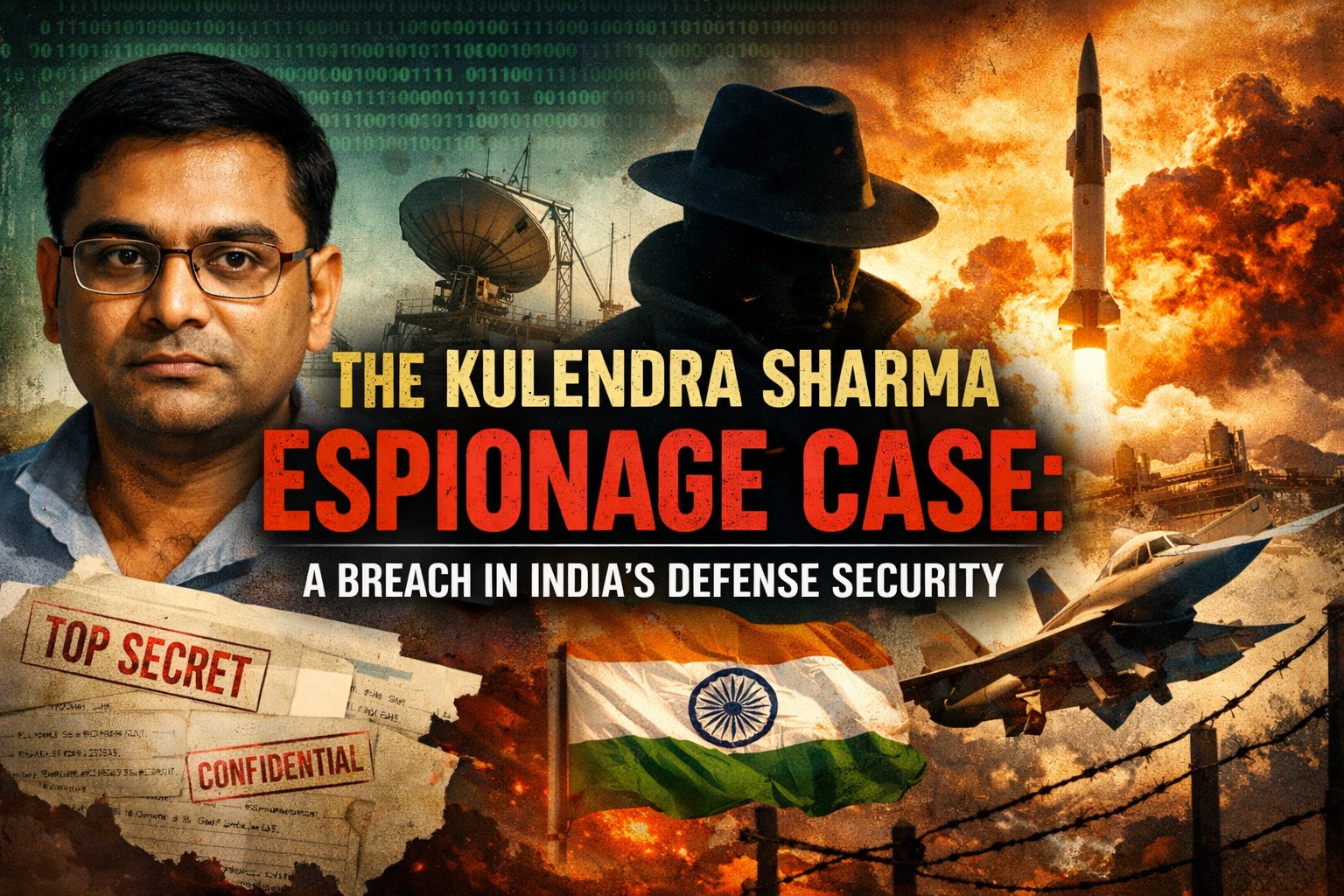
The Kulendra Sharma Espionage Case: A Breach in India’s Defense Security
In December 2025, Assam Police arrested Kulendra Sharma, a 64-year-old retired Indian Air Force (IAF) officer, on charges of espionage and maintaining links with a Pakistani intelligence network[1]. The arrest sent shockwaves through India’s security establishment, raising critical questions about insider threats and the vulnerability of defense information even decades after personnel retirement. This case highlights the persistent challenges facing India’s counter-intelligence apparatus and the sophisticated methods employed by adversarial spy networks to exploit former military personnel.
Background and Service Record
Kulendra Sharma served as a Junior Warrant Officer at the Tezpur Air Force Station in Assam, one of India’s strategically significant military installations[2]. Tezpur is the headquarters of the Indian Army’s IV Corps and houses critical air assets, including a Sukhoi-30 squadron at the Salonibari airbase on the city’s outskirts[3]. The location’s operational jurisdiction extends across vast parts of Assam and Arunachal Pradesh, including the sensitive Tawang frontier near the China border.
Sharma retired from the IAF in 2002 after completing his service tenure[4]. Following his retirement from military service, he transitioned to civilian employment, working as a technical assistant in the Department of Electronics and Communication Engineering at Tezpur University[5]. He continued in this academic position for several years before leaving approximately three years prior to his arrest in December 2025.
The Arrest and Charges
On the night of December 13, 2025, Tezpur police arrested Sharma from his residence in the Patiachuburi locality following sustained surveillance and intelligence gathering[6]. According to Sonitpur Senior Superintendent of Police Barun Purkayastha, Sharma had been under police observation for several months based on specific intelligence inputs indicating his suspicious activities[7].
Sharma was booked under multiple sections of the Bharatiya Nyaya Sanhita (BNS), including:
- Section 147: Rioting
- Section 148: Rioting with deadly weapon
- Section 152: Sedition and acts endangering sovereignty, unity, and integrity of India
- Section 238: Causing disappearance of evidence of an offence
- Section 61(2): Criminal conspiracy and waging war against the Government of India[8]
The severity of these charges reflects the gravity with which Indian authorities view the alleged breach of national security.
Nature of Alleged Espionage Activities
According to investigating officers, Sharma allegedly established and maintained contact with individuals linked to a Pakistani espionage network[9]. Deputy Superintendent of Police Haricharan Bhumij stated that preliminary investigations revealed Sharma had been sharing defense-related documents and sensitive information with Pakistani intelligence operatives[10].
During searches conducted at his residence, police seized Sharma’s laptop and mobile phones. Digital forensic analysis of these devices revealed suspicious materials and communications that raised serious security concerns[11]. Investigators discovered that Sharma had allegedly shared crucial information related to national security through messaging platforms, particularly WhatsApp, and had received instructions from handlers “on the other side”[12].
Police sources indicated that some data appeared to have been deliberately deleted from his devices, suggesting awareness of wrongdoing and attempts to destroy evidence[13]. The seized electronic devices were sent to forensic laboratories for comprehensive analysis to determine the full extent of information compromised and to identify his contacts within the Pakistani intelligence network.
Duration and Scope of Activities
While the complete timeline of Sharma’s alleged espionage activities remains under investigation, authorities believe he maintained these clandestine contacts for an extended period[14]. Investigators revealed that Sharma secretly continued his connections with the Pakistani espionage network even during his post-retirement employment at Tezpur University, spanning potentially years of unauthorized information sharing[15].
Superintendent Purkayastha emphasized that further details regarding the duration of Sharma’s alleged Pakistani contacts and the specific nature of information shared would emerge as the investigation progressed. Officials noted they were working to verify the identities of individuals with whom Sharma shared sensitive information and to assess the strategic damage caused by the security breach.
Strategic Implications
Sharma’s case is particularly concerning given his posting at Tezpur Air Force Station, a critical military installation. His access to defense infrastructure and operational knowledge, even from his service two decades earlier, represented a valuable intelligence asset for adversarial agencies. Former military personnel possess institutional knowledge about base layouts, security protocols, communication systems, and operational procedures that remain strategically relevant despite the passage of time.
The case also exposed vulnerabilities in post-retirement monitoring of former defense personnel. While serving members undergo strict security protocols and surveillance, retired personnel often operate with minimal oversight despite retaining sensitive knowledge and potential access to defense circles through professional networks.
Broader Context
Sharma’s arrest occurred amid a wider counter-intelligence operation in the northeastern region. Around the same time, Arunachal Pradesh Police arrested four individuals from Kashmir’s Kupwara district on similar espionage charges[16]. These suspects allegedly shared security-related information about deployment and movement of Indian armed forces with Pakistani handlers through encrypted Telegram channels. The coordinated nature of these arrests suggests heightened intelligence activities and increased vigilance by Indian security agencies in the region.
Conclusion
The Kulendra Sharma case underscores the enduring threat posed by insider espionage and the sophisticated recruitment tactics employed by hostile intelligence agencies. It highlights the necessity for comprehensive security vetting that extends beyond active service and emphasizes the importance of continued monitoring of retired defense personnel, particularly those who served in sensitive locations or roles. As the investigation continues, this case serves as a stark reminder that national security remains perpetually vulnerable to human factors, and that vigilance must persist long after individuals leave active military service. The full extent of the damage caused and the complete network of collaborators will only become clear as forensic analysis and interrogation proceed through India’s judicial and intelligence systems.
References
[1] Times of India. (2025, December 13). Retired IAF man held in Assam, 4 arrested in Arunachal for spying. https://timesofindia.indiatimes.com/
[2] Hindustan Times. (2025, December 13). Assam: Ex-IAF officer arrested for passing information to Pak-based agencies. https://www.hindustantimes.com/
[3] Times of India. (2025, December 13). Retired IAF man held in Assam, 4 arrested in Arunachal for spying.
[4] Indian Express. (2025, December 12). Retired IAF personnel arrested for ‘spying’ in Assam’s Tezpur. https://indianexpress.com/
[5] NDTV. (2025, December 12). Ex-Air Force Officer Arrested In Assam On Charges Of Spying For Pakistan. https://www.ndtv.com/
[6] NewsX Live. (2025, December 13). Retired IAF Officer Arrested in Assam for Alleged Links with Pakistani espionage network. YouTube.
[7] Hindustan Times. (2025, December 13). Assam: Ex-IAF officer arrested for passing information to Pak-based agencies.
[8] Sunday Guardian Live. (2025, December 12). Assam: Retired IAF Officer Arrested for Alleged Links to Pakistani Spy Network. https://sundayguardianlive.com/
[9] Indian Express. (2025, December 12). Retired IAF personnel arrested for ‘spying’ in Assam’s Tezpur.
[10] Times of India. (2025, December 13). Retired IAF man held in Assam, 4 arrested in Arunachal for spying.
[11] NDTV. (2025, December 12). Ex-Air Force Officer Arrested In Assam On Charges Of Spying For Pakistan.
[12] Times of India. (2025, December 13). Retired IAF man held in Assam, 4 arrested in Arunachal for spying.
[13] NDTV. (2025, December 12). Ex-Air Force Officer Arrested In Assam On Charges Of Spying For Pakistan.
[14] Hindustan Times. (2025, December 13). Assam: Ex-IAF officer arrested for passing information to Pak-based agencies.
[15] Sunday Guardian Live. (2025, December 12). Assam: Retired IAF Officer Arrested for Alleged Links to Pakistani Spy Network.
[16] Times of India. (2025, December 13). Retired IAF man held in Assam, 4 arrested in Arunachal for spying.
“This article is for informational purposes only and does not constitute legal advice. Readers should consult qualified legal professionals for specific legal matters.”