





✊ Adi Kshatriyas: The Forgotten Warriors — Chamar’s, Mahar’s, and Jatav’s Must Reclaim Their Legacy
The narrative of Indian heroism has been deliberately incomplete, erasing the valor of those deemed “untouchable” by a discriminatory caste system. For too long, the martial legacy of Chamar’s, Mahar’s, and Jatav’s has been buried under centuries of orchestrated suppression. But the blood that flows through their veins carries the DNA of warriors, rulers, and revolutionaries. These communities are not the oppressed—they are the Adi Kshatriyas, the Original Warriors of Bharat, whose time has come to reclaim their rightful place in the annals of courage and honor.
🛡️ Bhima Koregaon: When Warriors Rose Against Tyranny
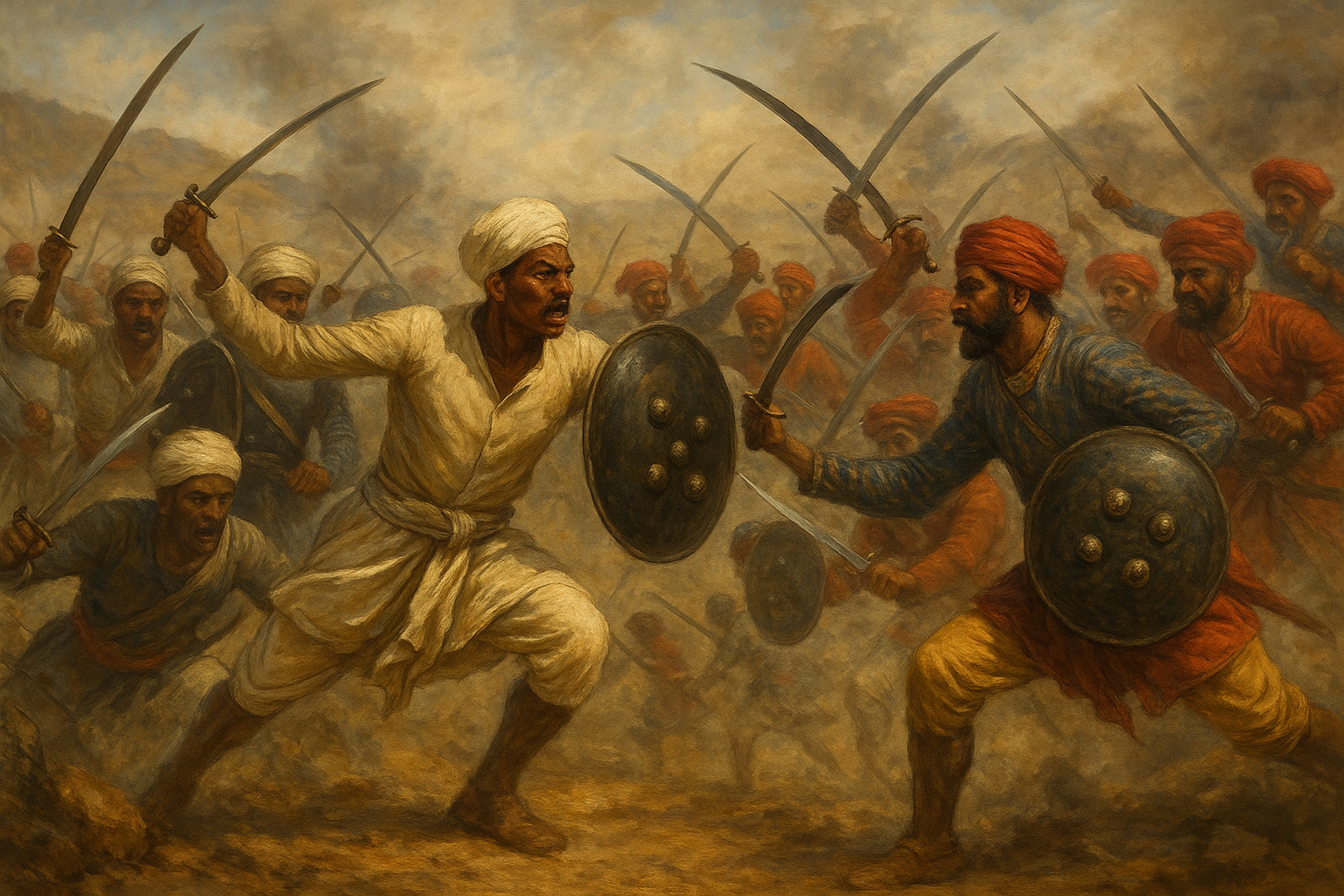
On January 1, 1818, at the banks of the Bhima River, history witnessed one of the most remarkable military victories that India has ever seen. An 834-strong British force, comprising primarily 500 Mahar soldiers, stood against the mighty 28,000-strong army of Peshwa Bajirao II. This was not merely a clash between British and Maratha forces—it was a battle where the oppressed rose to challenge their oppressors. timesofindia.indiatimes+1youtube
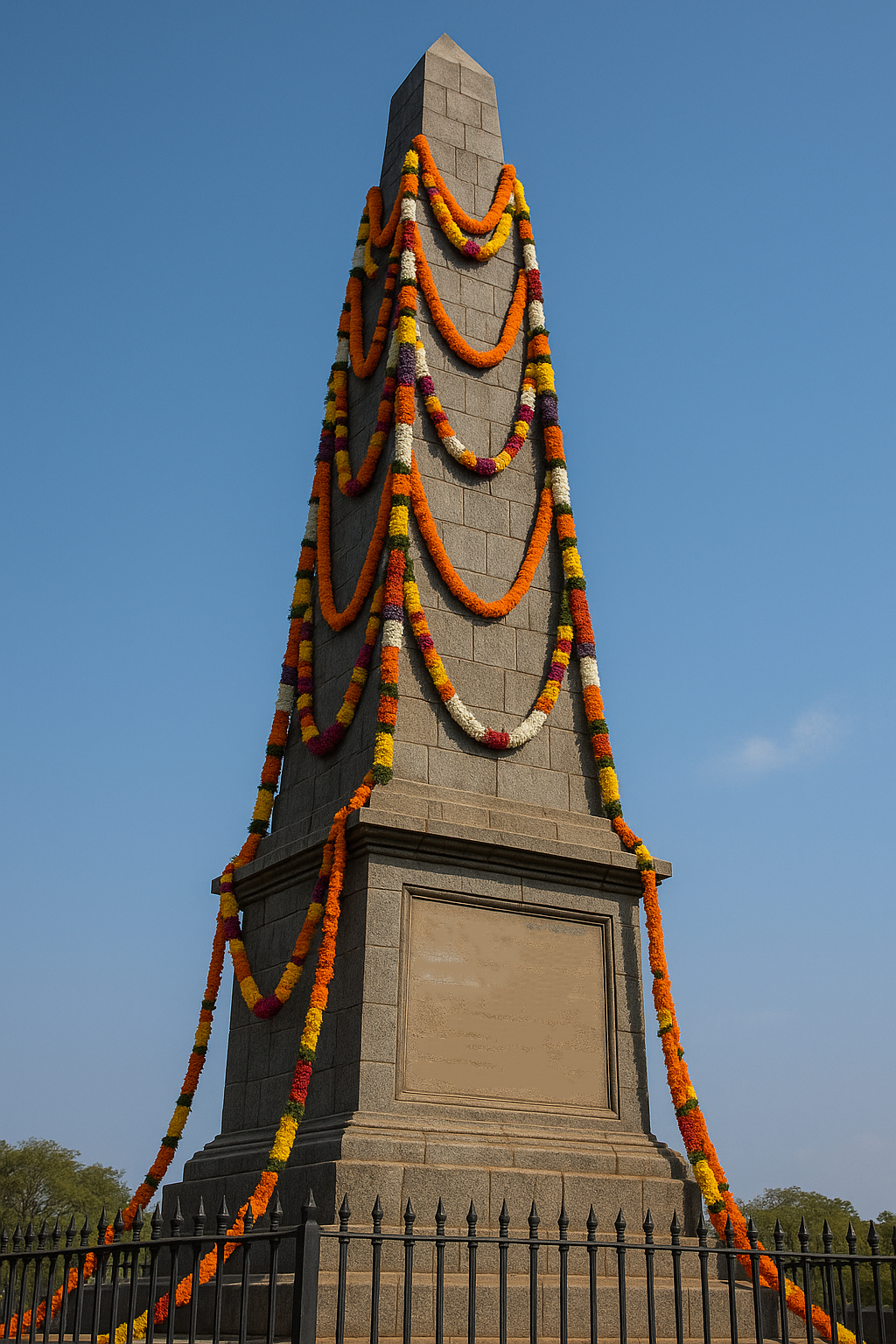
Twenty-two Mahar soldiers laid down their lives that day, not for colonial masters, but for their dignity against a system that had branded them “untouchable”. For twelve hours, these warriors held their ground, their courage so fierce that the Peshwa’s massive army was forced to retreat. The Victory Pillar at Koregaon still stands today, bearing the names of these fallen heroes, a testament to their valor that no amount of historical revisionism can erase. youtubevajiramandravi+3
The Mahars didn’t fight for the British—they fought against the Peshwa system that denied them water from wells, entry into temples, and basic human dignity. In defeating the Peshwa army, they struck a blow against caste-based oppression that reverberates through history. byjusyoutube
🏹 Mahar Great Leaders
| Name | Era | Contribution |
|---|---|---|
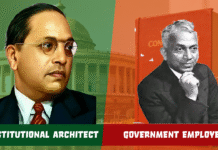
| B.R. Ambedkar | 1920s–56 | Architect of the Constitution; led mass Buddhist conversion |
| Chokhamela | 14th c. | Bhakti poet‑saint; early voice against caste oppression |
| Namdeo Dhasal | 1970s–2014 | Poet, co‑founder of Dalit Panthers; radical literary voice |
| Baburao Bagul | 1960s–2000s | Marathi writer; chronicler of Dalit urban life |
| Prakash Ambedkar | 1990s–present | Politician; founder of Bharip Bahujan Mahasangh |
| Maya Chavan | 2000s–present | Maharashtra MLA; works on education and empowerment |
| Prakash & Mandakini Amte | 1970s–present | Social workers; Lok Biradari Prakalp for tribal welfare |
🪖 The Chamar Regiment: Courage in the Face of Empire
When World War II stretched British resources thin, military commanders made a revolutionary decision. In 1943, they raised the Chamar Regiment—the first and only Scheduled Caste regiment in the Indian Army’s history. What followed was a display of martial prowess that shattered every stereotype about so-called “non-martial races.” wikipedia+2
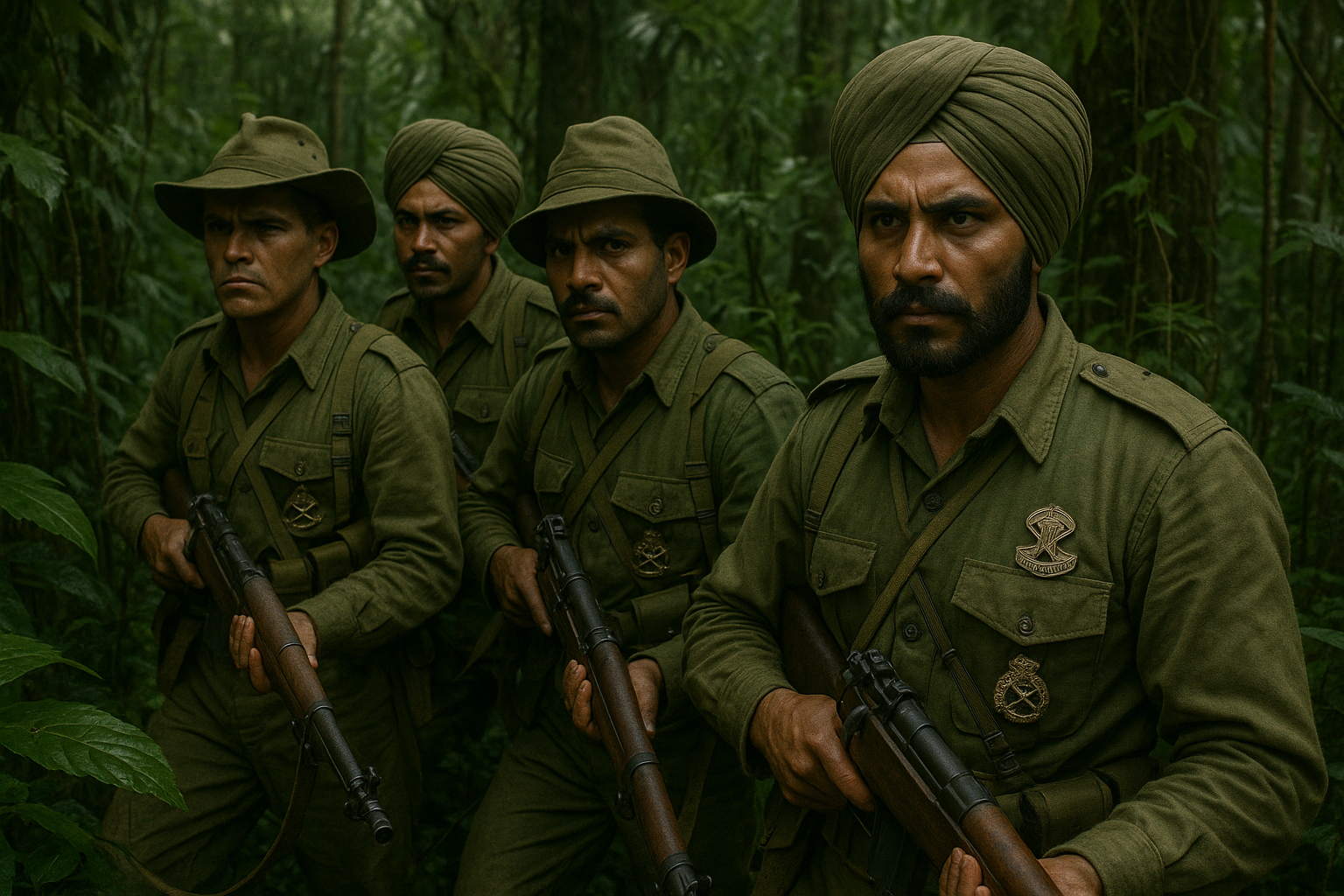
The Chamar Regiment distinguished itself in the Burma Campaign, taking part in the critical Battle of Kohima where they helped halt the Japanese advance. These warriors fought in the dense jungles of Nagaland for over three months, displaying the same tenacity that their ancestors had shown for centuries. They were instrumental in lifting the siege of Imphal and participated in the liberation of Rangoon, helping free entire Burma from Japanese occupation. wikipedia+2
But perhaps the most stirring example of their character comes from Captain Mohan Lal Kureel, a Chamar officer who made a choice that defines true patriotism. When he learned that the British were plotting against the Indian National Army, Captain Kureel defected to join Netaji Subhas Chandra Bose’s INA. He chose the cause of Indian independence over his commission in the British Army, later becoming a member of the Indian Parliament after independence. discover.hubpages+1

🛡 Chamar Leaders
| Name | Era | Contribution |
|---|---|---|
| Swami Achhutanand | 1910s–40s | Founder of Adi Hindu movement; anti‑Brahmanical reformer |
| Kanshi Ram | 1970s–2000s | Founder of BSP; architect of Dalit–Bahujan political consolidation |
| Mayawati | 1990s–2010s | Four‑time CM of UP; first downtrodden woman CM in India |
| Sant Ravidas | 15th–16th c. | Bhakti saint; spiritual anchor for Chamar identity |
| Jagjivan Ram | 1930s–80s | Deputy PM; long‑serving Union Minister |
| Banke Chamar | 1857 Rebellion | Embodiment of fearless warrior; invoked in songs and slogans to assert dignity. |
| Veer Babu Mangu Ram | 1886–1980 | Founder of Ad-Dharm movement in Punjab; mobilized Dalits for self-respect and identity. |
👑 Jatavs: The Descendants of Kings
The Jatav community’s martial legacy stretches back to medieval India, yet their contributions have been systematically overlooked. Ajanbahu Jatbasha (also known as King Jatav) founded the mighty Gond dynasty of Chhindwara and Nagpur in the 16th century, ruling vast territories that encompass present-day Madhya Pradesh, Chhattisgarh, and parts of Maharashtra. This wasn’t a minor chieftain—this was a king who built forts, granted jagirs, and commanded armies. wikipedia

The Jatav community has consistently claimed their Kshatriya heritage. Their traditional ceremonies include shooting cannons at weddings and performing bow and arrow rituals at birth—practices identical to recognized Kshatriya communities. From 1917 onwards, Jatavs organized politically through the Jatav Mahasabha and various youth organizations, asserting their warrior identity with scholarly evidence and historical documentation. wikipedia+3
📜 Jatav Leaders
| Name | Era | Contribution |
|---|---|---|
| Khemchand Bohare | Early 1900s | Co‑founder of Jatav Mahasabha (1917); pushed for Kshatriya recognition and later aligned with Ambedkarite politics |
| Manik Chand Jatav‑Vir | 1950s | 1st Lok Sabha MP from Bharatpur–Sawai Madhopur; community organiser |
| Ram Sundar Das | 1970s–2010s | Former CM of Bihar; social justice advocate |
| Bhajan Lal Jatav | 2020s | MP from Karauli–Dholpur; former Rajasthan minister |
| Sanjana Jatav | 2024–present | Youngest Dalit MP from Bharatpur; symbol of new‑gen leadership |
| Justice R.K. Jatav | 2000s | Rajasthan High Court judge known for progressive rulings |
| Rao Tularam (Jatav) | 1825–1863 | Fought against British in 1857; linked to Chamar lineage in Haryana oral traditions. |
| Chetram Jatav | 1857 Rebellion | Fought British forces in the Gwalior region; remembered as a valiant Dalit freedom fighter |
⚔️ The Unwritten Chronicles of 1857
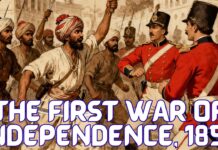
During the Great Revolt of 1857, while textbooks celebrate Rani Lakshmibai and Tatya Tope, they conveniently forget the Dalit warriors who led uprisings across North India. Chetram Jatav and Balluram Mehtar spearheaded the rebellion in Etawah district. Banke Chamar and his 18 associates became symbols of resistance in Jaunpur. Makka Pasi led an army of 200 Dalits at Chinhat near Lucknow, where his forces killed many British soldiers before he fell in battle. swarajyamag
These weren’t isolated incidents—they were part of a systematic resistance. Udadevi, Makka Pasi’s wife, commanded the women’s battalion of Awadh at Sikandar Bagh, where General Colin Campbell faced fierce resistance from subaltern castes. The British conquest was opposed at every step by communities they had dismissed as “non-martial,” yet who bled and died for India’s freedom. swarajyamag
🏆 Modern Military Excellence
The martial tradition continues in contemporary India through the Mahar Regiment, one of the Indian Army’s most distinguished units. Raised in 1941 with Dr. B.R. Ambedkar’s advocacy, the Mahar Regiment has produced two Army Chiefs—General K.V. Krishna Rao and General K. Sundarji. The regiment has earned India’s highest military honor, the Param Vir Chakra, awarded posthumously to Major Ramaswamy Parameswaran in 1987. theprint+2
With 19 battalions and a war cry of “Bolo Hindustan Ki Jai,” the Mahar Regiment has served in every major conflict since independence. From the 1962 China War to the 1971 Bangladesh Liberation War, from Sri Lanka to Siachen, Mahar soldiers have proven that courage knows no caste. wikipedia+2

💪 Why “Adi Kshatriya” Is Not a Claim—It’s a Reclamation
The term “Adi” means original, ancient, primordial. When Chamars, Mahars, and Jatavs call themselves Adi Kshatriyas, they’re not seeking validation from dominant castes—they’re reclaiming a heritage that was stolen through systematic oppression. Archaeological discoveries at Harappa and Mohenjodaro revealed civilizations that predated Aryan migrations, inspiring these communities to recognize themselves as indigenous warriors conquered by foreign invaders. drambedkarbooks+1
The Adi movements of the 1920s spread across India—Ad-Dharm in Punjab, Adi-Hindu in Uttar Pradesh, Adi-Andhra in the south. These weren’t just social reform movements; they were declarations of war against historical injustice. Leaders like Swami Achhutanand organized national conventions from Delhi to Madras, mobilizing hundreds of thousands to walk long distances to assert their dignity. ijhssi+1
🔥 The Martial Race Myth Exposed
The British concept of “martial races” was a deliberate tool of division. After 1857, they classified communities based on loyalty, not courage. According to historian Jeffrey Greenhut, “Indians who were intelligent and educated were defined as cowards, while those defined as brave were uneducated and backward”. The British recruited from communities with “mercenary spirit” precisely because they lacked nationalism. wikipedia+1
Yet these same “non-martial” communities had served in armies for centuries. Mahars formed 20-25% of the British Bombay Army before being dismissed in 1892 not for lack of courage, but because they were deemed “ungrateful” and “disloyal”. The dismissal came after they had served the Empire faithfully for over a century, including earning battle honors at Koregaon. theprint+1
📜 Call to Dignity: From Leather to Legacy
Every Chamar child should know they descend from Captain Mohan Lal Kureel, who chose India over Empire. Every Mahar child should walk tall knowing their ancestors defeated a 28,000-strong army at Koregaon. Every Jatav child should understand they carry the blood of King Ajanbahu Jatbasha, who ruled kingdoms when their oppressors were nobody’s vassals.
This is not about seeking sympathy—this is about claiming space with evidence. When Jats take pride in Maharaja Suraj Mal and Rajputs celebrate Prithviraj Chauhan, why should Adi Kshatriyas whisper their victories? The leather they worked was the armor of ancient armies. The skills they mastered in craftsmanship were the same that forged weapons and built fortifications.
The caste system assigned subordination—history records their dominion.
⚡ The Revolution Begins with Recognition
Let every monument to Bhima Koregaon remind India that caste does not determine courage. Let every mention of the Burma Campaign acknowledge that Chamar soldiers bled for this nation’s freedom. Let every military parade include the knowledge that Mahar Regiment officers have led the Indian Army.
We are not asking for reservations in memory—we are demanding accurate representation in history. We are not seeking inclusion in existing narratives—we are writing our own. From the medieval kingdoms of Jatbasha to the modern battlefields of Kargil, the Adi Kshatriya legacy is one of unbroken valor.
Call them Adi Kshatriya. Not as supplication, but as statement. Not as hope, but as history. Not as future aspiration, but as ancient truth finally acknowledged.
The forgotten warriors are forgotten no more. The Adi Kshatriyas have risen.
“When Rajputs are ‘sons of kings,’ then Mahars, Chamars and Jatavs are ‘Sons of Revolution’. When Jats are ‘farmers turned fighters,’ then Chamars, Mahars and Jatavs are ‘leather-workers turned Liberators’. And if any group has earned the right to walk with heads held high and declare ‘We are warriors. We are Adi Kshatriya’—it is them.”
- https://timesofindia.indiatimes.com/city/pune/mahar-regiment-book-records-many-groups-in-1818-battle/articleshow/62358636.cms
- https://www.youtube.com/watch?v=ihgqbmXcYeg
- https://vajiramandravi.com/upsc-exam/battle-of-bhima-koregaon/
- https://en.wikipedia.org/wiki/Battle_of_Koregaon
- https://politicsforindia.com/the-battle-of-bhima-koregaon/
- https://byjus.com/free-ias-prep/203rd-anniversary-of-the-bhima-koregaon-battle/
- https://en.wikipedia.org/wiki/Chamar_Regiment
- https://wikipedia.nucleos.com/viewer/wikipedia_en_all/A/Chamar_Regiment
- https://openmeans.com/articles/miscellaneous/51-general-reference/24272-the-chamar-regiment-the-only-scheduled-caste-regiment-of-indian-army-raising-and-dusbandment.html
- https://assets.publishing.service.gov.uk/media/5a79c767ed915d07d35b808e/ww2_kohima.pdf
- https://discover.hubpages.com/education/A-Look-at-the-only-Scheduled-Caste-Regiment-the-Chamar-regiment-of-the-Indian-army
- https://en.wikipedia.org/wiki/Mohan_Lal_Kureel
- https://en.wikipedia.org/wiki/Ajanbahu_Jatbasha
- https://en.wikipedia.org/wiki/Jatav
- https://www.csirs.org.in/uploads/paper_pdf/emergence-of-lower-caste-associations-and-their-role-in-the-eradication-of-untouchability-in-united-provinces.pdf
- https://www.csirs.org.in/uploads/paper_pdf/evolution-of-chamar-and-jatav-mahasabha-for-dalit-society-in-united-provinces.pdf
- https://ijariie.com/AdminUploadPdf/Jatavs__Mobility_for_the_New_Identity__1917_1942_ijariie21482.pdf
- https://swarajyamag.com/politics/dalit-heroism-against-british-rule-is-well-known-yet-the-neo-dalits-think-otherwise
- https://theprint.in/report/indian-armys-mahar-regiment-home-to-two-army-chiefs-and-a-param-vir-chakra/26313/
- https://en.wikipedia.org/wiki/Mahar_Regiment
- https://defencedirecteducation.com/2019/01/24/mahar-regiment-indian-army/
- https://drambedkarbooks.com/2015/04/10/dalit-history-month-remembering-adi-movements/
- https://www.ijhssi.org/papers/vol8(3)/Series-4/J0803044350.pdf
- https://en.wikipedia.org/wiki/Martial_race
- https://www.jagranjosh.com/general-knowledge/history-of-caste-based-regiment-in-the-indian-army-1592216143-1
- https://en.wikipedia.org/wiki/Dalit_Buddhist_movement
- https://www.youtube.com/watch?v=1iMo8rg7_PY
- https://thecolumnistchronicle.com/top-10-jats-rulers/
- https://en.wikipedia.org/wiki/Chamar
- http://www.geocities.ws/mudiraja/mudiraju_warriortribes.html
- https://www.wikiwand.com/en/articles/chamar
- https://www.encyclopedia.com/humanities/encyclopedias-almanacs-transcripts-and-maps/jatav
- https://www.reddit.com/r/india/comments/52ceke/til_lakhs_of_maharashtrian_dalits_celebrate_the/
- https://www.thenewsminute.com/voices/bhima-koregaon-dalits-helped-british-win-siege-madras-1759-74240
- https://philatelyhobby.blogspot.com/2024/04/mahar-regiment-legacy-of-valor-and.html
- https://countercurrents.org/2019/08/a-short-history-of-untouchables-in-indian-army-and-role-of-dr-ambedkar/
- https://hi.wikipedia.org/wiki/%E0%A4%AE%E0%A4%B9%E0%A4%BE%E0%A4%B0_%E0%A4%B0%E0%A5%87%E0%A4%9C%E0%A4%BF%E0%A4%AE%E0%A5%87%E0%A4%82%E0%A4%9F
- https://www.bharat-rakshak.com/army/units/infantry/mahar-regt/
- https://www.pib.gov.in/Pressreleaseshare.aspx?PRID=1885156
- https://www.youtube.com/watch?v=eyJD2fXxzZI
- https://ppl-ai-code-interpreter-files.s3.amazonaws.com/web/direct-files/8af24223cdec0fc71bae90525de8881b/0bde0e7f-0971-4965-a4f4-deba4383c0c6/1f357547.csv